






What's Happening?
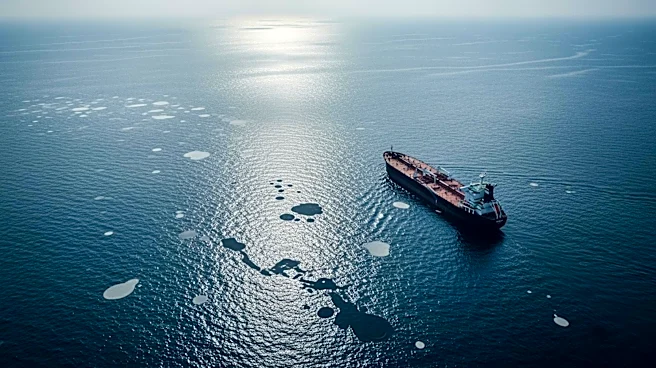
The International Energy Agency (IEA) has issued a warning that Europe may face a severe jet fuel shortage within six weeks if the Strait of Hormuz remains closed due to the ongoing conflict involving Iran. The blockade has disrupted the flow of oil and
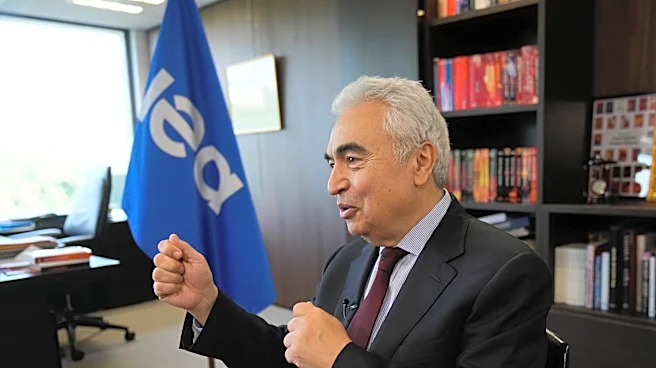
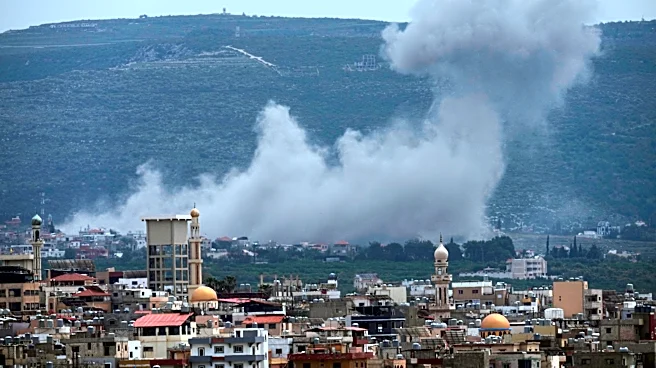
gas supplies, leading to what the IEA describes as the largest energy crisis ever faced. The closure of the strait, a critical chokepoint for global oil transport, has already resulted in significant damage to over 80 energy facilities in the Persian Gulf. The IEA's Executive Director, Fatih Birol, highlighted the potential for flight cancellations across Europe if the situation does not improve, emphasizing the global economic repercussions, including increased petrol, gas, and electricity prices.
Why It's Important?
The potential jet fuel shortage in Europe could have widespread implications for the global economy, affecting industries reliant on aviation and increasing inflationary pressures. Developing countries in Asia, Africa, and Latin America are expected to suffer the most due to their vulnerability to energy price volatility. The crisis underscores the interconnectedness of global energy markets and the geopolitical risks associated with critical supply routes like the Strait of Hormuz. The situation may prompt a reevaluation of energy security strategies and accelerate the transition to alternative energy sources.
What's Next?
If the Strait of Hormuz remains closed, Europe may need to seek alternative sources of jet fuel, potentially increasing imports from other regions. The IEA has warned that even with a peace agreement, it could take up to two years to restore pre-conflict production levels in the Persian Gulf. The ongoing geopolitical tensions may lead to further disruptions in energy supply chains, prompting governments to consider emergency measures to mitigate the impact on their economies.
Beyond the Headlines
The crisis highlights the vulnerability of global energy infrastructure to geopolitical conflicts and the need for diversified energy sources. The reliance on a few key supply routes poses significant risks, and the current situation may drive investments in renewable energy and energy efficiency to reduce dependence on fossil fuels. The ethical implications of energy access and distribution during crises also come to the forefront, as poorer nations bear the brunt of the economic fallout.