
What's Happening?
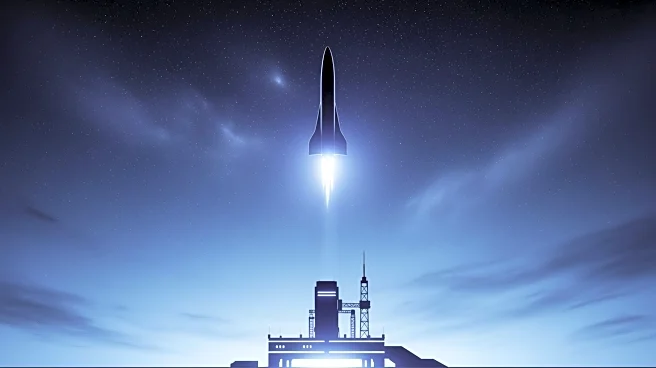
NASA is actively working to resolve fueling issues with the Space Launch System (SLS) rocket before the Artemis III mission, which aims to return humans to the Moon. The Artemis II mission, currently on the launch pad at Kennedy Space Center, experienced
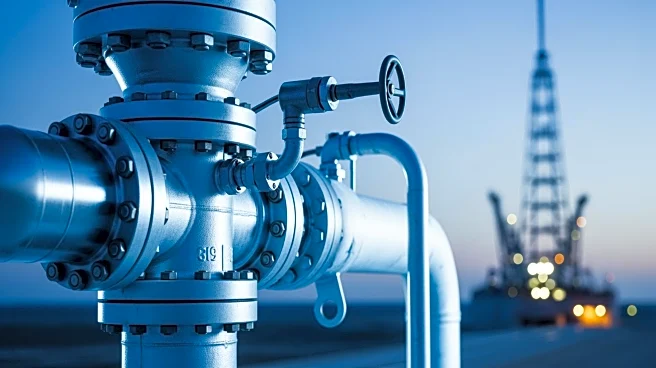
a hydrogen fuel leak during a countdown rehearsal, prompting NASA to plan another test. This issue is not new, as similar leaks delayed the SLS's first test flight in 2022. NASA Administrator Jared Isaacman emphasized the importance of addressing these challenges, acknowledging the complexity of the SLS rocket and the need for precise fueling procedures. The leaks have been traced to ground support equipment, specifically where fueling lines connect to the rocket's core stage.
Why It's Important?
Resolving the fueling issues is critical for the success of the Artemis program, which represents a significant step in human space exploration. The SLS rocket is a key component of NASA's efforts to establish a sustainable human presence on the Moon and eventually send astronauts to Mars. Any delays or technical challenges could impact the timeline and cost of these missions. Moreover, the success of Artemis III is crucial for maintaining public and governmental support for NASA's long-term exploration goals. Addressing these technical hurdles will also enhance the reliability and safety of future missions.
What's Next?
NASA plans to conduct another countdown rehearsal to ensure the fueling issues are resolved before proceeding with the Artemis II mission. Engineers will continue to investigate and address the root causes of the leaks, focusing on the ground support equipment. The outcome of these tests will determine the readiness of the SLS rocket for future missions. Additionally, NASA may explore alternative fueling procedures or equipment modifications to prevent similar issues in the future.