





What's Happening?
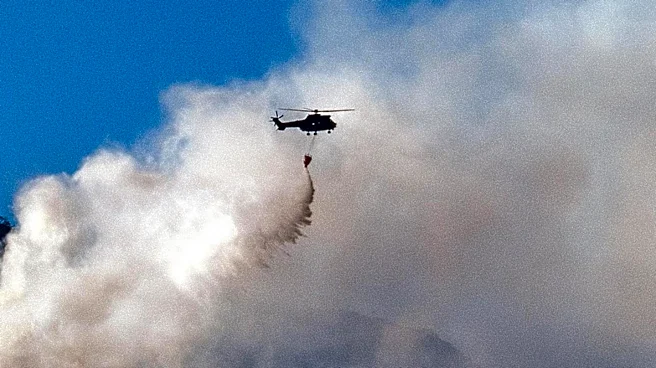
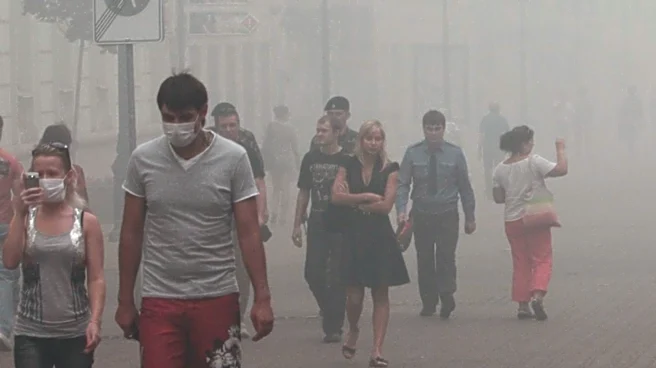
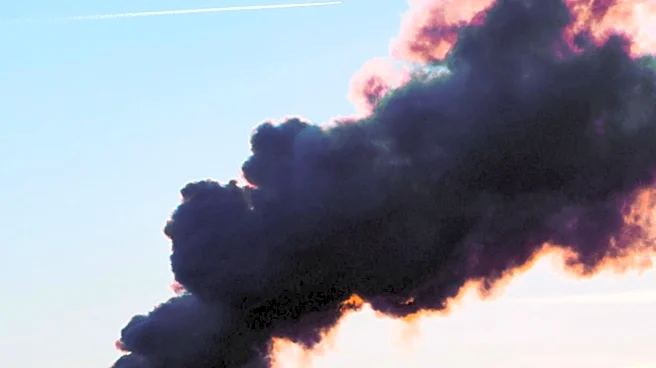
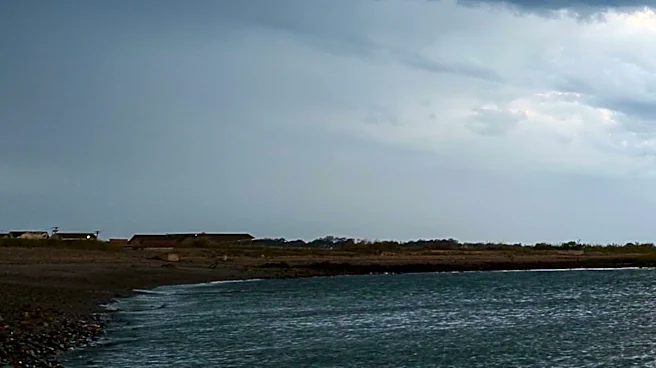
Approximately 35 beaches in Massachusetts remain closed due to smoky skies from Canadian wildfires and water quality issues. The state's interactive beach water quality dashboard reports closures due to bacterial exceedance and harmful cyanobacteria blooms.
Local health officials monitor bacteria levels across over 1,100 public and semi-public beaches, with testing frequency varying based on susceptibility to water quality issues. The closures highlight the impact of environmental factors on public health and recreational activities.
Why It's Important?
The beach closures underscore the intersection of environmental and public health concerns, particularly in the context of climate change and pollution. The presence of harmful bacteria and cyanobacteria blooms poses health risks to swimmers and highlights the need for effective monitoring and management of water quality. The situation also reflects the broader impact of wildfires and air quality issues on outdoor activities and public health. The closures may prompt discussions on improving environmental policies and response strategies to address such challenges.
What's Next?
State and local authorities will continue to monitor water quality and air conditions, updating the public on beach safety. The situation may lead to increased efforts to address the root causes of water pollution and improve environmental management practices. Policymakers and environmental groups may advocate for stronger regulations and initiatives to mitigate the impact of climate change and pollution on public health and natural resources. The closures also highlight the importance of public awareness and education on environmental issues.