







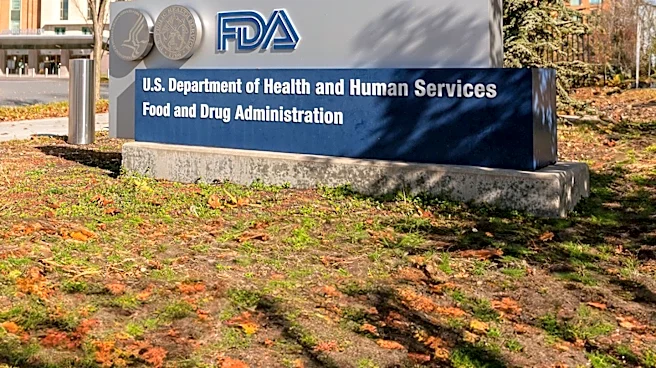


What's Happening?
Robert F. Kennedy Jr., the U.S. Secretary of Health and Human Services, has appointed several new members to a federal advisory panel, aiming to influence the Food and Drug Administration's (FDA) stance on injectable peptide drugs. These drugs, popular
in wellness circles, have been deemed by FDA scientists as lacking sufficient evidence of benefits and potentially posing safety risks. Despite this, Kennedy, a known supporter of these peptides, has added nine new advisors to the panel, most of whom have financial ties to clinics promoting peptide treatments. This move is seen as an effort to challenge the FDA's current restrictions on these drugs. The advisory panel, now with 13 members, is set to meet on July 23 and 24 to discuss the potential use of several peptides for various medical conditions, including ulcerative colitis, wound healing, obesity, and insomnia.
Why It's Important?
The appointment of peptide advocates to the FDA advisory panel by Robert F. Kennedy Jr. could significantly impact the regulatory landscape for peptide drugs in the U.S. If the panel, influenced by its new members, decides to recommend broader access to these peptides, it could lead to increased availability through compounding pharmacies. This shift could benefit wellness clinics and businesses involved in peptide treatments, potentially at the expense of public safety, given the FDA's concerns about the lack of proven efficacy and safety. The decision could also set a precedent for how scientific evidence is weighed against political and commercial interests in drug approval processes.
What's Next?
The upcoming meetings on July 23 and 24 will be crucial in determining the future accessibility of peptide drugs. The panel will discuss whether these peptides can be produced by compounding pharmacies, which are currently restricted from making them for human use. The outcome of these discussions could lead to changes in FDA policy, affecting both the pharmaceutical industry and consumers seeking alternative treatments. Further meetings are scheduled before February 2027 to continue evaluating additional peptides, indicating ongoing debates and potential policy shifts in the coming months.