

What's Happening?
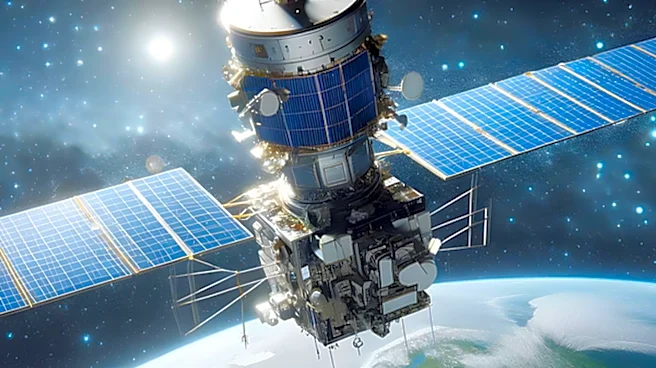
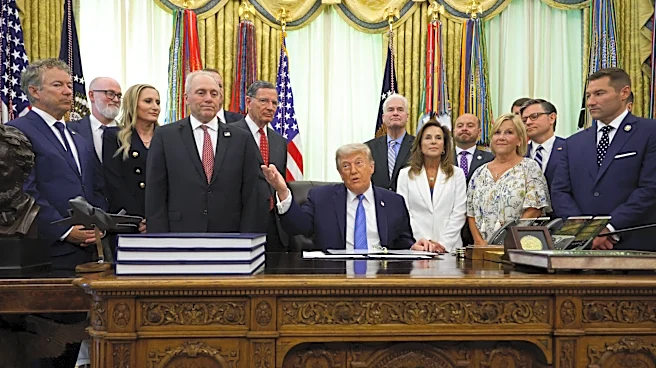
The Mystic Alerts Act, signed into law by President Trump on October 22, establishes a federal framework for wireless providers to deliver emergency alerts via satellite networks. This legislation aims to provide an alternative communication method during
disasters when traditional cellular infrastructure is compromised. The law directs the Federal Communications Commission (FCC), the Department of Homeland Security (DHS), and the Federal Emergency Management Agency (FEMA) to set requirements for mobile service providers regarding satellite-based Wireless Emergency Alerts (WEA). However, it does not mandate all providers to offer this service; participating providers must indicate their intent, while those opting out must inform customers. The FCC is tasked with publishing a proposed rulemaking within six months and a final rule within 18 months, with the effective date set for at least three years after the final rule's publication. The act is named after Camp Mystic, a Texas summer camp where a 2025 flood disaster highlighted communication challenges in rural areas.
Why It's Important?
This legislation is significant as it attempts to enhance the resilience of emergency communication systems, particularly in rural or disaster-stricken areas where terrestrial networks may fail. By introducing satellite connectivity, the law aims to bridge communication gaps that can arise during critical events, potentially saving lives. However, emergency communications experts, such as Art Botterell and Elizabeth Reddy, express skepticism about the law's immediate impact. They argue that satellite delivery is merely another transmission method and does not address underlying issues like public education on alert responses, integration of new technologies into existing emergency management systems, or procedural bottlenecks in issuing alerts. The effectiveness of the act will heavily depend on how wireless carriers implement the technology and whether emergency managers can seamlessly integrate it into their operational protocols, raising questions about its real-world utility beyond providing redundancy.
What's Next?
The immediate next steps involve the FCC initiating the rulemaking process. Within six months of the act's enactment, the FCC must publish a notice of proposed rulemaking, followed by a final rule within 18 months, in consultation with DHS and FEMA. This rule will outline technical specifications and operational requirements for satellite-delivered alerts. Wireless providers will then have 60 days after the rule takes effect to declare their participation. The actual implementation and availability of satellite emergency alerts to the public are still several years away, as the effective date of the rule will be at least three years post-publication. Concurrently, researchers and emergency management professionals will likely continue to evaluate the practical implications and challenges of integrating this new capability into the broader emergency alerting ecosystem, focusing on usability, training, and procedural improvements.
Beyond the Headlines
Beyond the technical implementation, the Mystic Alerts Act highlights a broader debate about the efficacy of technology-centric solutions versus addressing systemic and human factors in emergency preparedness. Experts like Art Botterell suggest that the primary bottlenecks in past disaster communications were often procedural, human-related, and policy-driven, rather than purely technological. This raises ethical and practical questions about resource allocation: should more emphasis be placed on improving existing protocols, training emergency personnel, and educating the public, or on deploying new technologies? The law also underscores the ongoing challenge of ensuring equitable access to emergency information, particularly for vulnerable populations in areas with limited infrastructure. The success of this act will ultimately be measured not just by the deployment of satellite technology, but by its ability to genuinely improve public safety outcomes by overcoming both technological and human-centric hurdles.