





What's Happening?
Stanford University has terminated its contract with Flock Safety, a company known for its license plate recognition cameras, and is transitioning to a new vendor, Genetec Cloudrunner. This decision follows concerns about data privacy and the extent of
data sharing capabilities inherent in Flock's system. The new system is designed to operate within a single institution, without third-party access, addressing privacy concerns. This move is part of a broader regional trend in the Bay Area, where several jurisdictions are reevaluating their surveillance policies and vendor relationships.
Why It's Important?
The shift in surveillance vendors at Stanford highlights ongoing debates about privacy and data security in the use of surveillance technology. As institutions and municipalities grapple with the balance between security and privacy, decisions like Stanford's reflect a growing awareness and caution regarding data sharing and third-party access. This change could influence other institutions to reconsider their surveillance strategies, potentially leading to more stringent data protection measures. The decision also underscores the importance of transparency and accountability in the deployment of surveillance technologies.
What's Next?
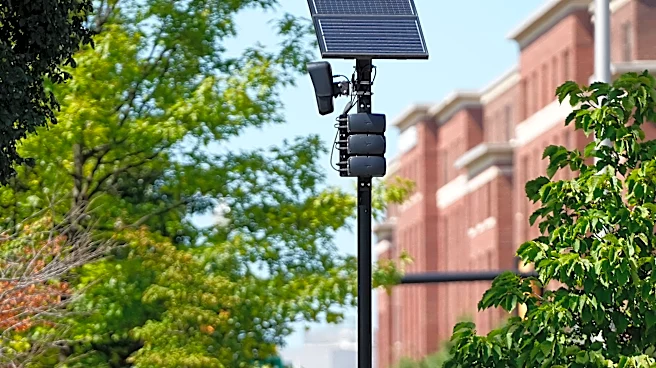
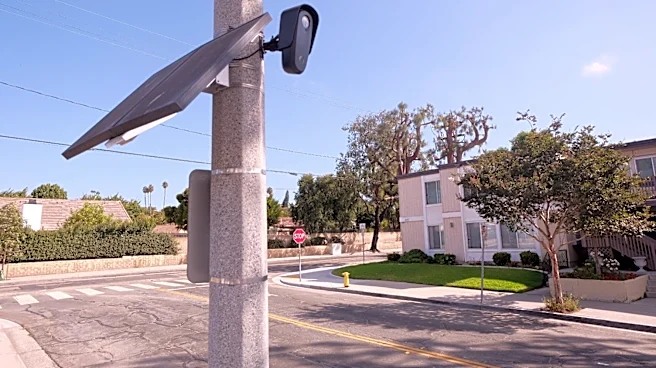
Stanford's transition to Genetec Cloudrunner is expected to be completed by early September, with new solar hardware installations. The university will continue to monitor the effectiveness and privacy implications of the new system. Meanwhile, other cities in the region, such as San José and Palo Alto, are also reviewing their contracts with Flock Safety, which could lead to further changes in surveillance practices. The ongoing discussions and potential policy changes in these areas may set precedents for how surveillance technology is managed in educational and public spaces.