

What's Happening?
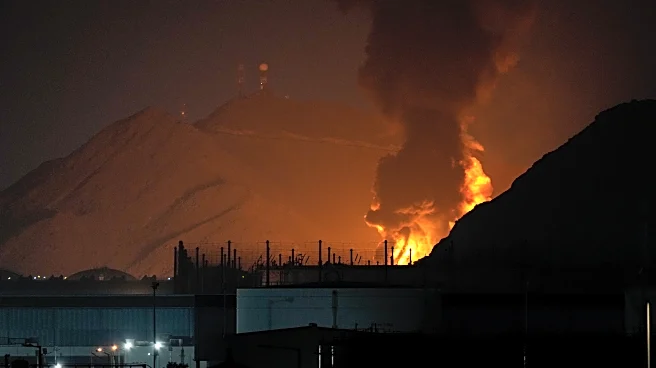
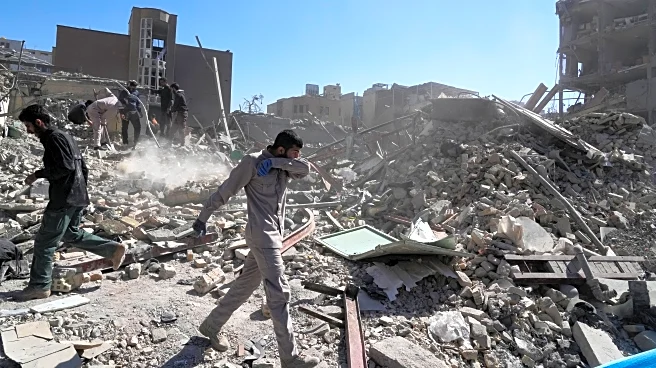
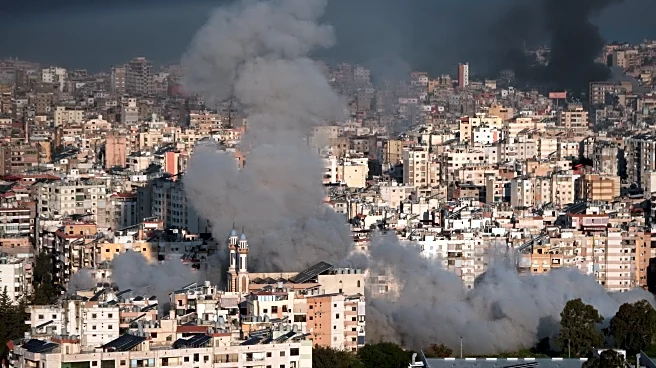
A leaked memo has revealed that Israel flagged a significant threat from Hezbollah before launching air attacks. The memo, sent to Washington, indicated that Israeli officials were concerned about Hezbollah's rapid rearmament, which outpaced the Lebanese
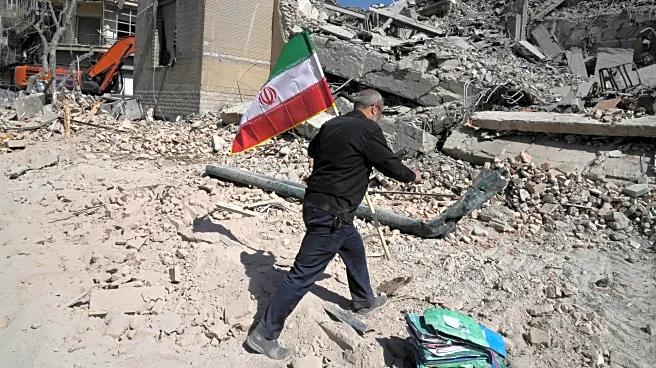
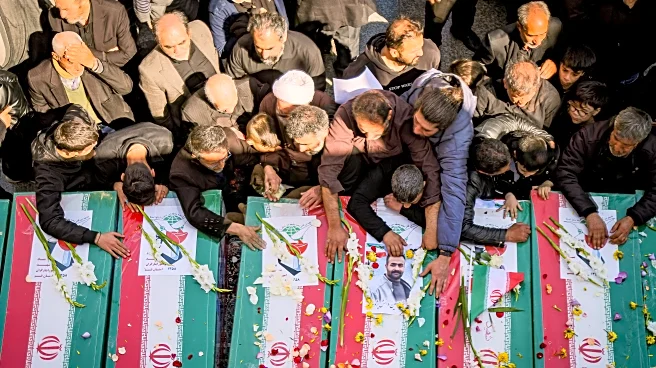
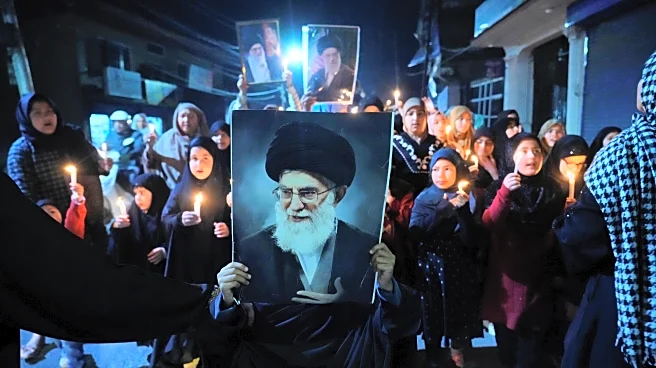
armed forces' ability to counteract. This development occurred just before joint US-Israeli strikes on Iran, which resulted in the death of Iran's supreme leader, Ayatollah Ali Khamenei, and subsequent retaliatory actions by Tehran. The situation has further strained the already fragile ceasefire between Israel and Hezbollah, with Israel maintaining military outposts in Lebanese territory. The memo also highlighted Israel's concerns about Syria's ability to control its security forces and Turkey's military presence in Syria, which Israel views as a strategic threat.
Why It's Important?
The escalation of military actions in the region underscores the fragile nature of the ceasefire and the potential for broader conflict. Israel's preemptive strikes and the subsequent retaliatory actions by Hezbollah could destabilize the region further, affecting international relations and security. The involvement of major powers like the US and the strategic positioning of Turkey add complexity to the situation. The ongoing tensions could impact global oil markets, given the region's significance in energy production, and may lead to increased military spending and heightened security measures by countries in the region.
What's Next?
The international community is likely to call for restraint and diplomatic engagement to prevent further escalation. Israel may continue its military operations to counter perceived threats from Hezbollah and other regional actors. The US, as a key ally of Israel, may face diplomatic challenges in balancing its support for Israel with maintaining regional stability. The situation could lead to increased diplomatic efforts by international organizations to broker a more sustainable peace agreement.