





What's Happening?
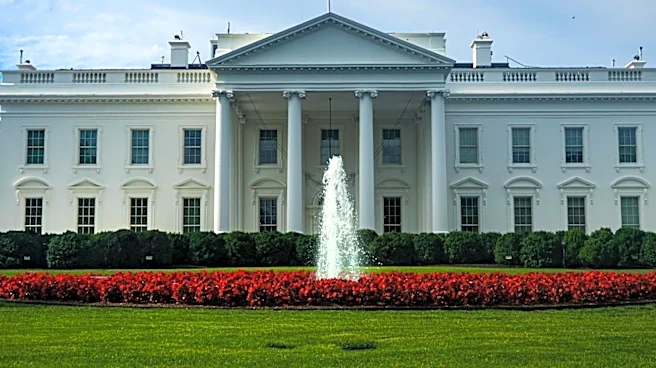
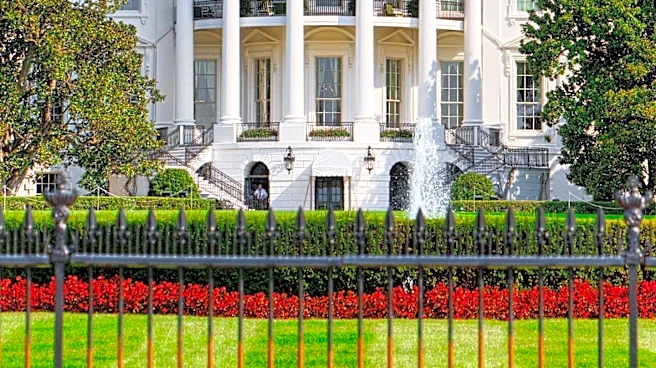
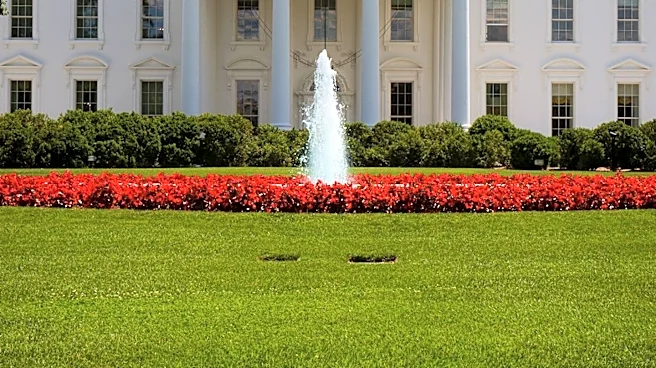
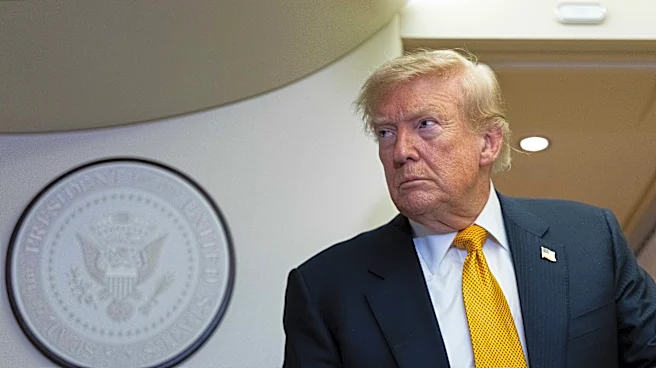
The White House has appointed Harvard astrophysicist Avi Loeb to lead a new group focused on studying unidentified anomalous phenomena (UAP), commonly known as UFOs. This initiative follows efforts by the Trump administration to increase transparency
regarding UAPs. The UAP Science Advisory Council, established by the White House and other government agencies, aims to apply rigorous scientific methods to study these phenomena. Loeb, known for his work on the Galileo Project, has assembled a diverse team of experts from various scientific disciplines to analyze and understand UAPs through data-driven approaches.
Why It's Important?
The establishment of a dedicated group to study UAPs reflects a growing interest and seriousness within the U.S. government regarding these phenomena. By involving reputable scientists and applying scientific rigor, the initiative seeks to enhance public trust in the investigation of UAPs. This could lead to new insights into unexplained aerial phenomena and potentially influence public policy and scientific research priorities. The involvement of high-profile scientists like Loeb also highlights the importance of interdisciplinary collaboration in addressing complex issues that intersect with national security and scientific inquiry.
What's Next?
The UAP Science Advisory Council is expected to begin its work by collecting and analyzing high-quality data on UAPs. The council's findings could lead to further government transparency and potentially influence future funding and research directions. As the council engages with government agencies and the scientific community, it may also advocate for increased resources and support for UAP research. The outcomes of this initiative could shape public understanding and policy regarding UAPs, with potential implications for national security and scientific exploration.