


What's Happening?
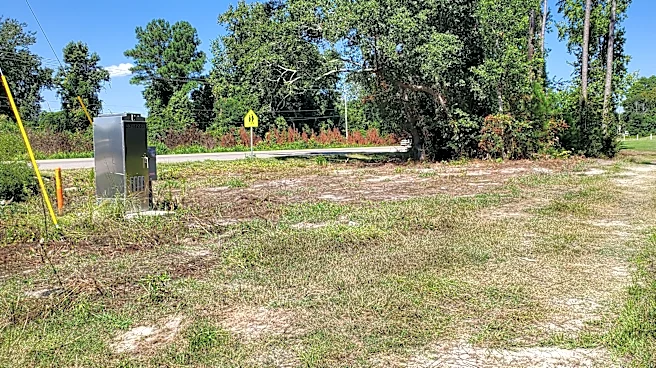
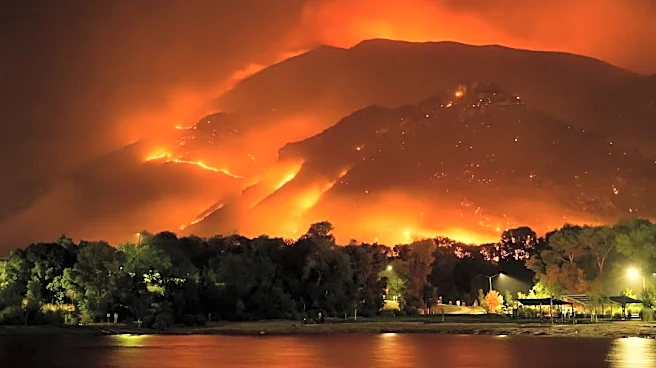
Repair work is actively progressing across the Rowe Creek Complex, Shingle, Henry, and Coyote fires in Central Oregon. Firefighters are focusing on mending fences cut during suppression efforts, flattening bulldozer berms, and covering dug-out firelines
with branches to restore affected areas to a more natural state. Water bars are being installed on steep slopes to mitigate erosion and filter sediment from streams. On federal lands, reseeding with native plants is taking place on flat portions of dozer lines to prevent future erosion. Light precipitation has been recorded, and a 58% chance of rain is forecast, prompting proactive efforts to complete repairs before heavier seasonal rains could hamper progress. All current fire restrictions on federal and private lands remain in place.
Why It's Important?
These repair efforts are crucial for mitigating the long-term environmental damage caused by wildfire suppression activities and for restoring the ecological integrity of the affected landscapes. Unrepaired firelines and disturbed soil can lead to significant erosion, impacting water quality in streams and rivers, and hindering the natural regeneration of vegetation. By proactively addressing these issues before seasonal rains, land managers aim to prevent further environmental degradation and accelerate the recovery of ecosystems. The reintroduction of native plants helps stabilize soil, prevent invasive species from taking hold, and restore habitat for wildlife. This post-fire rehabilitation is an essential component of comprehensive wildfire management, ensuring that the land can recover and become more resilient to future disturbances.
What's Next?
Firefighters and land management teams will continue to prioritize repair work across the Rowe Creek Complex and associated fires, aiming to complete as much as possible before the onset of significant seasonal rains. Resources are being strategically deployed to identify areas where heavy equipment can operate even if rain materializes. The forecast also includes chances for isolated thunderstorms, meaning pre-identified resources will remain ready to respond to any new lightning-ignited fires. All fire restrictions will remain in effect, and residents are encouraged to stay informed about local conditions. The long-term goal is to ensure the ecological recovery of the burned areas and to minimize the lasting impacts of both the fires and the suppression efforts.
Beyond the Headlines
The extensive repair and rehabilitation efforts following the Rowe Creek Complex fires highlight the complex and multi-faceted nature of wildfire management, extending far beyond immediate suppression. This work underscores the commitment to ecological restoration and the recognition that human intervention, even for protective purposes, can have lasting environmental consequences. It also brings to light the challenges of managing landscapes in an era of climate change, where weather patterns are becoming more unpredictable, influencing both fire behavior and post-fire recovery. Ethically, these efforts reflect a responsibility to heal the land and mitigate human-caused impacts. Culturally, they reinforce the value of stewardship and the importance of long-term planning for environmental resilience. The focus on native plant reseeding and erosion control demonstrates a scientific approach to restoring natural processes and preventing future ecological imbalances.