




What's Happening?
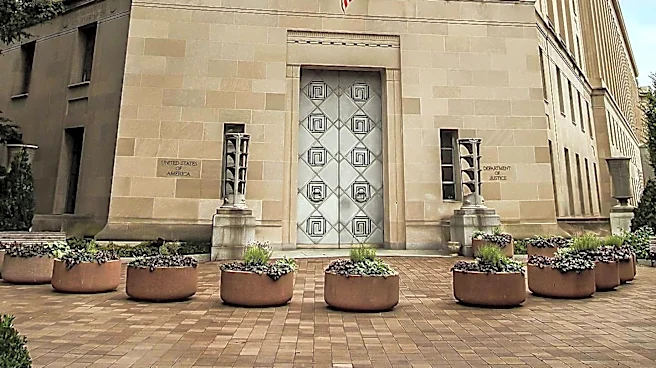
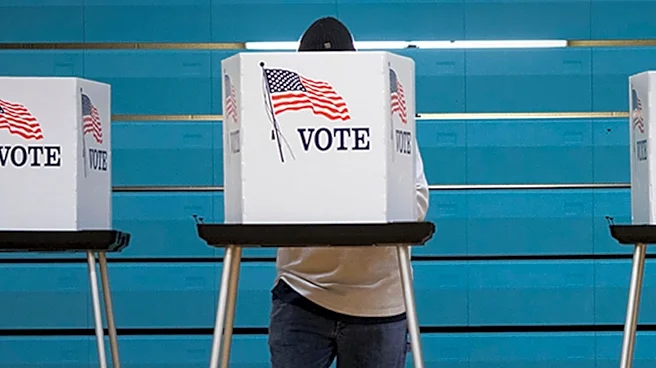
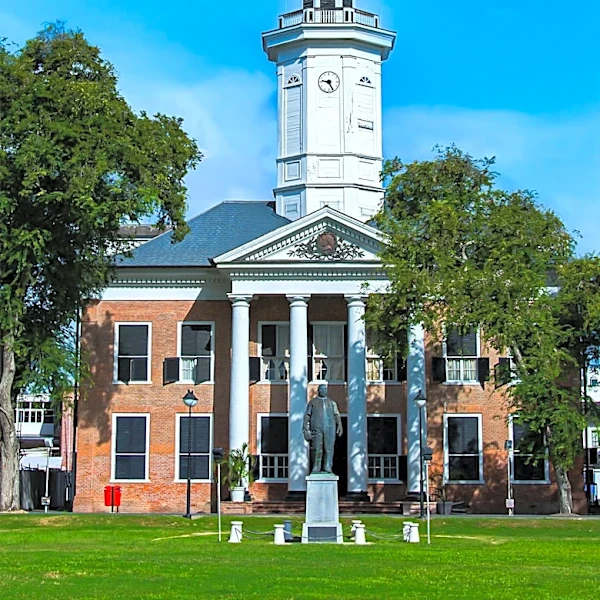
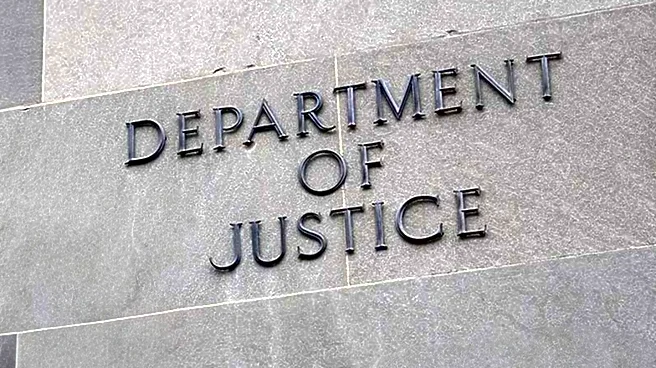
A federal judge has denied the U.S. Department of Justice's request to obtain the names and personal contact information of individuals who worked during the 2020 election in Georgia's Fulton County. The DOJ had issued a grand jury subpoena in April seeking
this information, which Fulton County argued was intended to target and harass political opponents of President Trump. The county's request to quash the subpoena was granted by U.S. District Judge William Ray, who described the subpoena as 'grossly over broad' and 'untethered to any reasonable need.' The judge emphasized that the DOJ's use of the grand jury should not be for purposes beyond legitimate law enforcement, warning against the misuse of power to obtain private information without a legitimate purpose.
Why It's Important?
This ruling is significant as it underscores the ongoing tensions surrounding the 2020 election and the allegations of voter fraud that have been repeatedly dismissed by courts. The decision protects the privacy of election workers and sets a precedent against the misuse of legal processes for political purposes. It also highlights the challenges faced by election officials in maintaining the integrity and confidentiality of election processes amidst political pressures. The ruling may impact future investigations and the DOJ's approach to similar cases, emphasizing the need for clear and justified legal actions.
What's Next?
The ruling may lead to further legal challenges or adjustments in the DOJ's investigative strategies. It could also prompt discussions among lawmakers and legal experts about the balance between investigation and privacy rights. The decision may influence how future subpoenas are crafted and the scrutiny they undergo to ensure they are not perceived as politically motivated. Additionally, the ruling could affect the recruitment and participation of election workers, as concerns about privacy and political targeting may deter individuals from engaging in election processes.