
What's Happening?
The U.S. Army is actively integrating drones into its military operations, as highlighted during the AUSA’s Land Forces Pacific symposium in Waikiki, Hawaii. General Ron Clark emphasized the importance
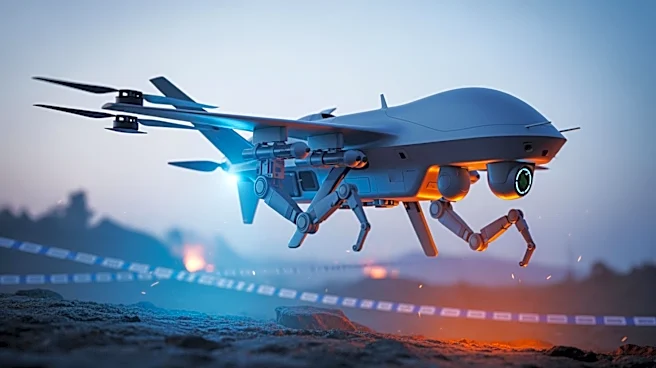
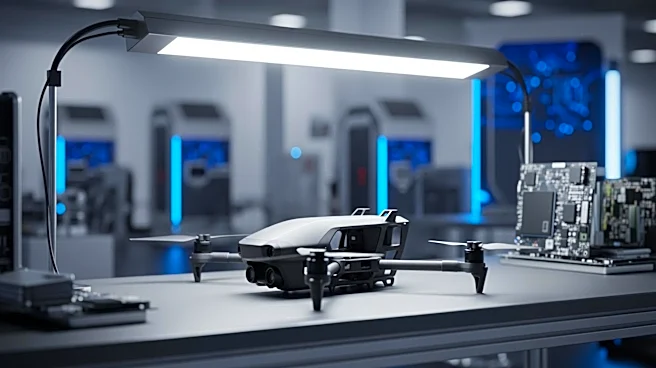
of innovation, showcasing drones like the Kestrel and Skydio X10, which are used for reconnaissance and can be adapted for offensive operations. The proliferation of drones is reshaping warfare, with Indo-Pacific Command leader Admiral Samuel Paparo noting the commoditization of small, cheap unmanned systems. This trend has made traditional military assaults more costly and complex. The U.S. Army is also focusing on defensive measures against enemy drones, such as underground command posts to avoid detection. General Xavier Brunson urged military leaders to look beyond drones and consider future technologies, such as commercial space, to maintain strategic advantages.
Why It's Important?
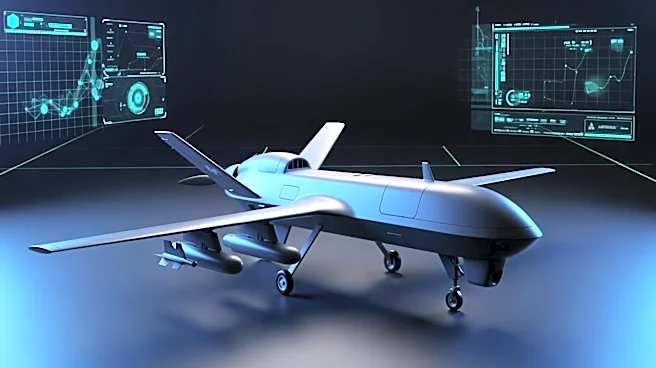
The increasing use of drones in military operations represents a significant shift in warfare tactics, offering both opportunities and challenges. Drones provide a cost-effective means of conducting surveillance and attacks, reducing the need for human soldiers in dangerous situations. However, the widespread availability of drone technology also poses a threat, as adversaries can easily acquire and deploy these systems. The U.S. military's focus on innovation and defense against drones is crucial to maintaining its strategic edge. By exploring new technologies and adapting to emerging threats, the military can ensure its readiness for future conflicts. The emphasis on innovation highlights the need for continuous adaptation in military strategy to address evolving global security challenges.
What's Next?
The U.S. Army is expected to continue its focus on integrating drones into its operations while exploring new technologies to maintain a strategic advantage. This includes developing advanced defensive measures against enemy drones and investing in future technologies like commercial space. Military leaders will likely prioritize research and development to identify the next 'offset' in warfare, ensuring that the U.S. remains at the forefront of military innovation. The ongoing conflict in Ukraine serves as a real-world laboratory for testing and refining these technologies, providing valuable lessons for future military strategies.