




What's Happening?
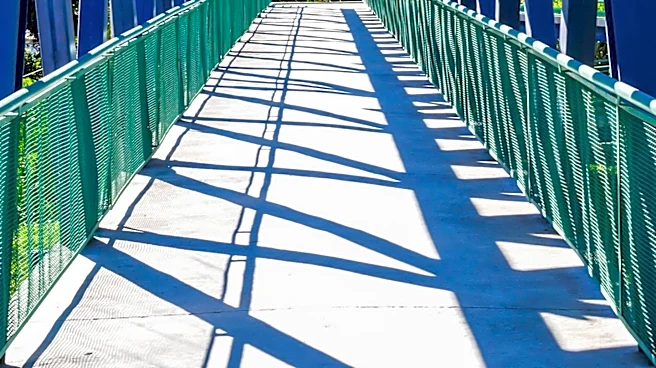
Construction of the South Burlington Walk-Bike Bridge at Exit 14 on Interstate 89 is progressing, with significant work underway to connect Williston Road and the University Mall. This project aims to improve safety for pedestrians and cyclists who currently
navigate heavy traffic on and off the interstate ramps. The latest construction efforts involve placing mechanically stabilized earth walls and working on pier footings. The roughly $27 million initiative, which began in late July after years of planning, is funded in part by federal transportation grants, including the Rebuilding American Infrastructure with Sustainability and Equity (RAISE) program and the Reconnecting Communities and Neighborhoods program. When completed in 2028, the bridge will feature nighttime illumination and will be maintained year-round by the city, providing a dedicated and safer pathway for non-motorized travel. This development is a crucial step in addressing a long-standing issue for residents traveling between Burlington and South Burlington.
Why It's Important?
The South Burlington Walk-Bike Bridge is a critical infrastructure project designed to significantly enhance public safety and connectivity within the region. Currently, pedestrians and cyclists face hazardous conditions due to high-speed traffic and limited visibility, especially during winter months, when crossing Williston Road over I-89. The new bridge will physically separate non-motorized traffic from vehicular traffic, directly reducing the risk of accidents and improving overall road safety. Beyond immediate safety benefits, the bridge is expected to foster greater walkability and bikeability, offering residents an alternative to vehicle-based transportation. This is particularly relevant given rising gas prices and the broader push for sustainable urban planning. By creating a safer and more accessible route, the project supports public health by encouraging active transportation and contributes to the city's goal of developing a more integrated and user-friendly path system, which is currently fragmented.
What's Next?
Construction on the South Burlington Walk-Bike Bridge will continue, with the current phase focusing on connecting Williston Road and the University Mall. Future phases of the project are anticipated, though contracts for these subsequent stages have not yet been awarded. Residents can stay informed about the project's progress by subscribing to updates through the South Burlington government website. Upon its projected completion in 2028, the bridge will become operational, offering a new, illuminated, and city-maintained pathway for pedestrians and cyclists. The city also plans to envision and develop additional sections of path in the coming years to further connect South Burlington's growing city center with downtown Burlington, building on the momentum of this significant infrastructure investment. The success of this project may also influence future urban planning and infrastructure development decisions in the region, potentially leading to more similar initiatives.
Beyond the Headlines
The South Burlington Walk-Bike Bridge project represents more than just a physical structure; it signifies a broader commitment to urban planning that prioritizes active transportation, public safety, and community connectivity. The long-term implications include a potential shift in local commuting patterns, with more residents opting for walking or cycling, which could lead to reduced traffic congestion and lower carbon emissions. This initiative also highlights the effectiveness of federal grant programs in supporting local infrastructure needs, demonstrating how collaborative funding can address critical community challenges. Ethically, the project underscores the responsibility of urban planners to create inclusive and safe environments for all modes of transportation, not just automobiles. Culturally, it could foster a more pedestrian-friendly urban landscape, encouraging outdoor activity and community interaction, thereby enhancing the quality of life for residents in both South Burlington and Burlington.