


What's Happening?
President Donald Trump is expected to address the nation, claiming that the U.S. military objectives in the war with Iran have been met, effectively declaring victory. This announcement comes amid rising oil prices and increasing pressure on Trump due
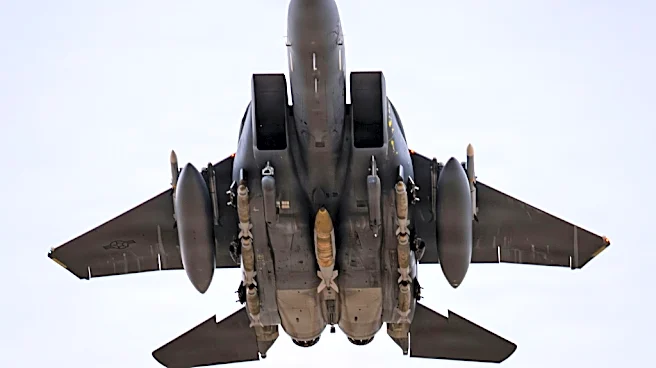
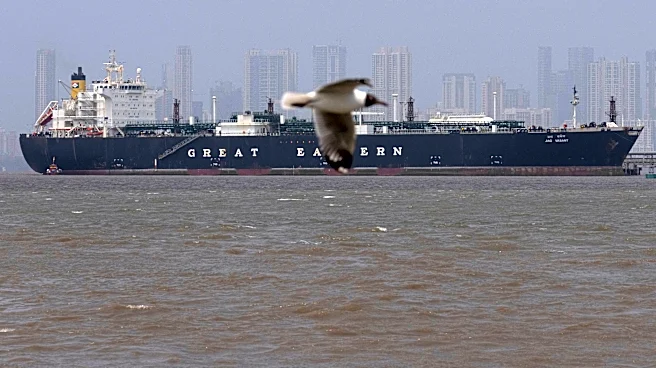
to grim poll numbers. The speech is anticipated to air at 9 p.m. Eastern, where Trump may also criticize U.S. allies for their reluctance to assist in reopening the Strait of Hormuz, which Iran blockaded following an attack on February 28. Despite the claim of winding down the war, thousands of U.S. troops have been recently deployed to the Middle East, adding to the complexity of the situation.
Why It's Important?
The potential declaration of victory in the Iran conflict by President Trump could have significant implications for U.S. foreign policy and economic conditions. The ongoing military engagement has contributed to rising oil prices, affecting global markets and domestic economic stability. Trump's fluctuating statements on the war's objectives have created uncertainty, impacting public perception and market confidence. The address may aim to reassure markets and the public, but the deployment of additional troops suggests ongoing military commitments. The situation highlights the challenges of balancing military strategy with economic and political pressures.
What's Next?
Following Trump's address, reactions from international allies and domestic stakeholders will be crucial. Allies may respond to Trump's criticism regarding the Strait of Hormuz, potentially affecting diplomatic relations. Domestically, the public and political opponents may scrutinize the consistency and clarity of Trump's statements on the war. The economic impact, particularly on oil prices, will be closely monitored, as any perceived instability could influence market behavior. The deployment of additional troops suggests that military operations may continue, raising questions about the long-term strategy in the region.