








What's Happening?
The United Nations High Commissioner for Human Rights, Volker Türk, has urged a significant reassessment of U.S. immigration policies in light of the upcoming World Cup. Türk highlighted issues such as racial profiling, surveillance, and immigration enforcement
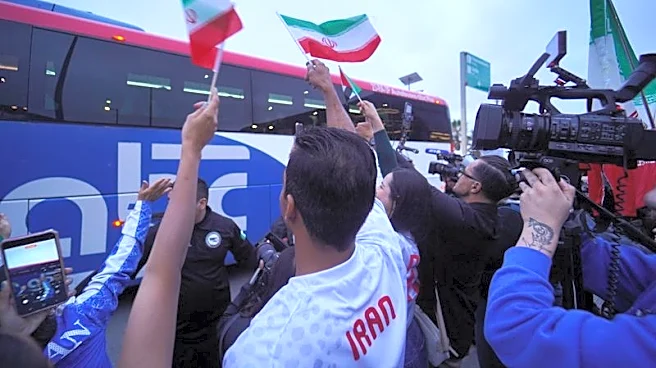
as areas of concern. These issues have already impacted the tournament, with incidents including the relocation of Iran's team from Arizona to Mexico and the denial of U.S. entry visas to some Iranian officials. Additionally, a Somali referee was refused entry due to alleged associations with terror groups, and a Senegal player was subjected to a security frisking at an airport. The U.S. is hosting the majority of the World Cup games, and Türk emphasized the need for a dignified and safe environment for all participants and supporters.
Why It's Important?
The call for a rethink of U.S. immigration policies is significant as it highlights the intersection of international sports and human rights. The World Cup, a global event, is expected to foster unity and peace, yet current U.S. policies have raised concerns about discrimination and human rights violations. The situation underscores the broader implications of immigration enforcement on international relations and the reputation of the U.S. as a host nation. The criticism from the UN could influence public opinion and potentially lead to policy changes, impacting how the U.S. is perceived on the global stage.
What's Next?
As the World Cup progresses, there may be increased scrutiny on U.S. immigration practices, especially if further incidents occur. Stakeholders, including FIFA and international human rights organizations, may pressure the U.S. government to address these concerns. The situation could lead to diplomatic discussions and potential policy adjustments to ensure compliance with international human rights standards. The outcome of these discussions could set precedents for how future international events are managed in the U.S.
Beyond the Headlines
The issues raised by the UN highlight deeper societal challenges related to immigration and human rights in the U.S. The focus on racial profiling and surveillance reflects ongoing debates about civil liberties and national security. This situation may prompt broader discussions about the balance between security measures and human rights, potentially influencing future legislation and public policy. The World Cup serves as a catalyst for these discussions, bringing international attention to domestic issues.