

What's Happening?
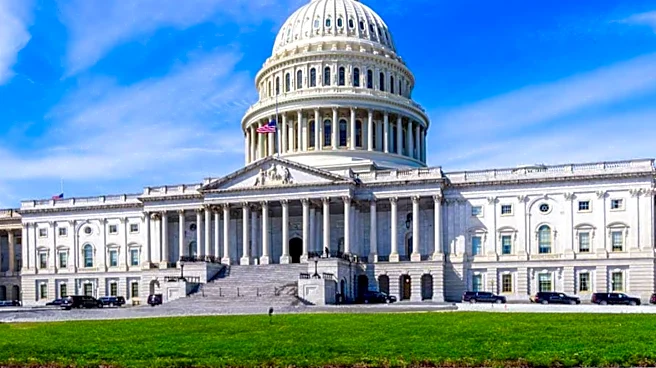
The U.S. House of Representatives has overwhelmingly passed the Major Richard Star Act (H.R. 2102, S. 1032) with a vote of 392 to 18. This legislation aims to allow certain combat-injured veterans to receive both their full military retirement pay and
any disability benefits owed to them by the Department of Veterans Affairs, without offset. Currently, an existing policy can reduce one benefit if a veteran receives the other. The American Federation of Government Employees (AFGE) has applauded this passage, with AFGE National President Everett Kelley urging the Senate to pass the bill and send it to the president for signature. However, the passage of this act came one day after House leaders also advanced a larger omnibus bill, misleadingly titled the 'Take Care of America’s Veterans Act,' which AFGE claims would undermine veterans' care and reduce workplace rights for veteran caregivers.
Why It's Important?
The Major Richard Star Act addresses a long-standing issue of financial inequity for combat-injured veterans. By ensuring that these veterans receive both their full military retirement pay and disability benefits, the act aims to provide them with the complete compensation they have earned through their service and sacrifices. This is particularly important for those forced into medical retirement due to injuries. The passage of this bill reflects a commitment to supporting veterans and rectifying a policy that has been seen as unjust. However, the simultaneous advancement of the 'Take Care of America’s Veterans Act,' which critics argue would cut $57 billion in future disability payments and privatize mental health services, creates a mixed message from Congress. This dual action highlights ongoing debates about the scope and nature of veterans' benefits and healthcare, impacting up to 1.5 million veterans and thousands of caregivers.
What's Next?
The Major Richard Star Act now moves to the Senate for consideration. Its passage in the House with strong bipartisan support suggests a potential for similar success in the Senate. If passed by the Senate, it would then go to the president for signature to become law. Meanwhile, the controversial 'Take Care of America’s Veterans Act' will likely face continued scrutiny and opposition from groups like AFGE, the Democratic Veterans Caucus, and other Veterans Service Organizations. The debate surrounding these two pieces of legislation will continue to shape the future of veterans' benefits and healthcare policies in the U.S., with significant implications for those who have served.
Beyond the Headlines
The legislative maneuvering around these veterans' bills reveals the complex and often politically charged nature of policymaking concerning military personnel. While the Major Richard Star Act seeks to correct a specific financial injustice, the broader 'Take Care of America’s Veterans Act' introduces a more sweeping set of changes that could fundamentally alter the landscape of veterans' care. The criticism from AFGE about 'parliamentary trickery' suggests a deeper concern about how such legislation is advanced and whether it truly serves the best interests of veterans. This situation underscores the ongoing tension between fiscal responsibility and the moral obligation to support those who have served, often leading to contentious debates over resource allocation and the privatization of public services. The outcome will not only affect veterans' financial well-being but also the structure and accessibility of their healthcare and support systems.