







What's Happening?
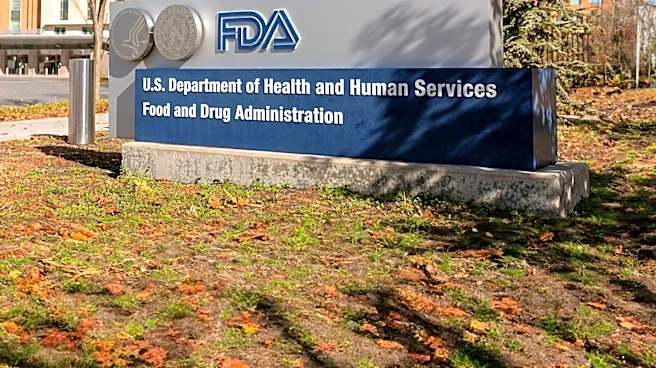
The U.S. Food and Drug Administration (FDA) has expanded its approval of teplizumab, an immunotherapy, to include children and adolescents aged 8 to 17 years who have been recently diagnosed with stage 3 type 1 diabetes. This approval, granted in June
2026 under an accelerated pathway, aims to delay the decline in the body's own insulin production. Teplizumab works by targeting the immune cells responsible for destroying beta cells in the pancreas, which are crucial for insulin production. While insulin remains essential for managing stage 3 type 1 diabetes, teplizumab offers a new approach by addressing the underlying autoimmune process. Clinical trials, such as the PROTECT trial involving 328 children and adolescents, demonstrated that those treated with teplizumab maintained significantly more insulin-producing capacity over 78 weeks compared to a placebo group. This preservation of insulin production has been linked to fewer episodes of severe low blood sugar, reduced insulin needs, and a lower risk of certain complications like diabetic eye disease. The treatment involves two 12-day courses of daily intravenous infusions, typically administered six months apart.
Why It's Important?
This expanded FDA approval marks a significant advancement in the treatment of type 1 diabetes in children and adolescents, moving beyond solely managing blood sugar levels to addressing the autoimmune destruction of insulin-producing cells. By preserving the body's natural insulin production, teplizumab has the potential to improve long-term health outcomes for newly diagnosed individuals. Higher C-peptide levels, indicative of preserved insulin production, are associated with a reduced risk of severe hypoglycemia and fewer diabetes-related complications. This could lead to a better quality of life for young patients and potentially decrease the burden of managing the disease. The treatment's ability to extend the 'honeymoon' period after diagnosis, during which some natural insulin production remains, offers a critical window for intervention. However, the requirement for treatment to begin within eight weeks of diagnosis highlights the urgency for healthcare providers and families to be informed and act swiftly. The development of practical guidance by a national group of experts, led by the University of Colorado Anschutz, is crucial for integrating this new therapy into routine clinical practice effectively and safely.
What's Next?
Following the expanded FDA approval, the immediate next step involves the widespread adoption and integration of teplizumab into the care pathways for newly diagnosed children and adolescents with stage 3 type 1 diabetes. A national group of clinical trial investigators and pediatric diabetes specialists, led by a physician-scientist at the Barbara Davis Center for Diabetes at the University of Colorado Anschutz, has published practical guidance to assist care teams and families in navigating this new treatment option. This guidance will help identify appropriate candidates, facilitate discussions about potential benefits and risks, and ensure the treatment is integrated into comprehensive diabetes care. The treatment requires an experienced medical team and careful monitoring due to potential side effects, including rash, headache, nausea, and more serious risks like cytokine release syndrome. The challenge will be to ensure that this breakthrough treatment reaches eligible patients within the critical eight-week window post-diagnosis, as earlier studies suggest stronger responses when treatment begins soon after diagnosis. Efforts are underway to bridge the gap between medical breakthroughs and their widespread adoption in routine clinical practice.
Beyond the Headlines
The introduction of teplizumab represents a paradigm shift in type 1 diabetes management, moving towards disease modification rather than just symptom management. This development raises important ethical considerations regarding early screening and diagnosis, as the treatment's efficacy is time-sensitive. The need for rapid decision-making by families and healthcare providers within an eight-week window post-diagnosis could create pressure and necessitate robust support systems for informed consent. Furthermore, the cost and accessibility of this specialized immunotherapy will be critical factors in its equitable distribution across the U.S. healthcare system. The focus on preserving beta cell function also opens avenues for future research into even earlier interventions and potentially preventative strategies for type 1 diabetes. This advancement underscores the ongoing evolution of diabetes care, emphasizing personalized medicine and the potential for immunotherapies to alter the course of autoimmune diseases. It also highlights the importance of collaborative efforts between researchers, clinicians, and patient advocacy groups like Breakthrough T1D in translating scientific discoveries into practical clinical applications.