









What's Happening?
Adam Thomas, a County Extension Agent for Agriculture and Natural Resources, has outlined strategies for managing common vegetable diseases in Kentucky. The region's warm temperatures and frequent rainfall create ideal conditions for fungal diseases affecting
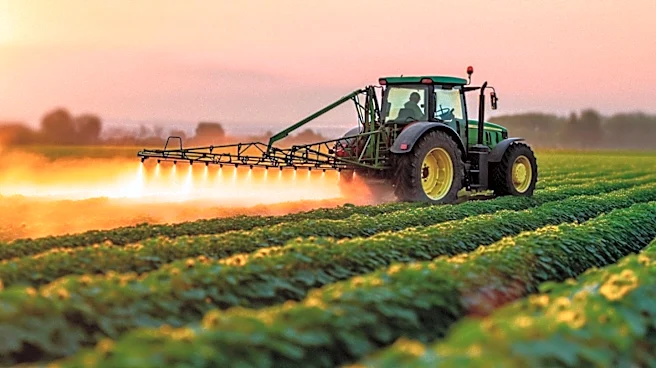
crops like tomatoes, peppers, cucumbers, and squash. Key diseases include powdery mildew, early and late blight, and soilborne fungal diseases like fusarium and verticillium wilt. Thomas recommends selecting resistant varieties, ensuring proper plant spacing, managing weeds, and applying protectant fungicides as necessary. These measures aim to reduce disease pressure and maintain healthy vegetable harvests.
Why It's Important?
Effective management of vegetable diseases is critical for maintaining crop yields and ensuring food security. Fungal diseases can significantly reduce plant vigor and make crops more susceptible to additional infections, impacting both commercial and home gardeners. By implementing recommended strategies, growers can mitigate the effects of these diseases, thereby supporting local agriculture and food supply chains. The guidance provided by the extension agent is particularly valuable in a region where weather conditions favor the proliferation of such diseases.
What's Next?
Gardeners and farmers are encouraged to regularly scout their plants throughout the growing season for early detection of diseases. Continued education and outreach by extension services will be essential in disseminating best practices and new research findings. As climate patterns evolve, ongoing adaptation and innovation in disease management strategies will be necessary to address emerging challenges in vegetable production.