








What's Happening?
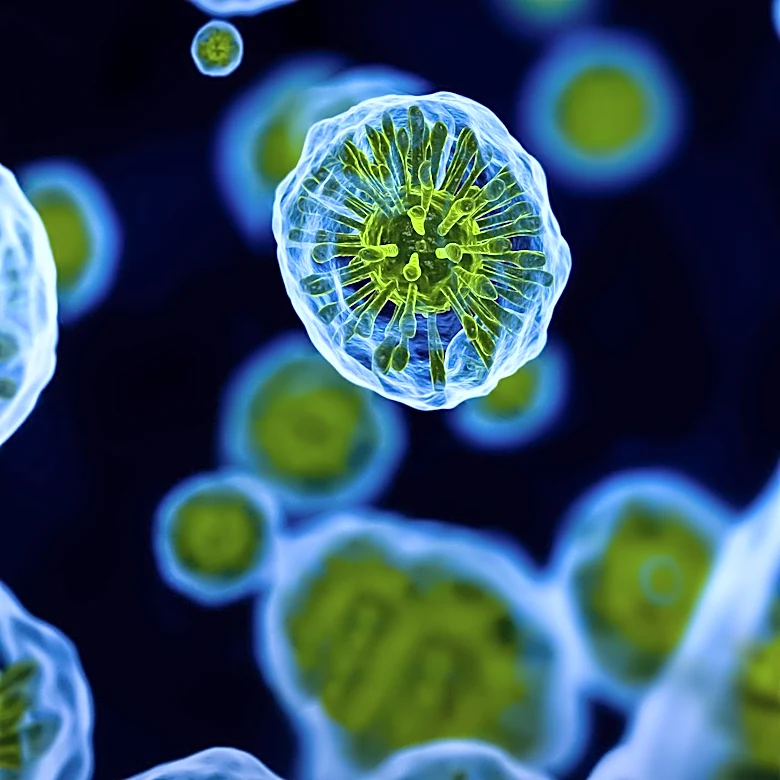
Florida has reported 14 cases and two deaths from Vibrio vulnificus, a bacterium found in warm coastal waters. The deaths occurred in Palm Beach and Marion counties, but the exact source of infection remains unclear. Vibrio vulnificus can infect individuals
through raw or undercooked oysters and through open wounds exposed to contaminated water. The bacterium is often referred to as 'flesh-eating' due to its potential to cause severe tissue damage, although not all infections result in such outcomes.
Why It's Important?
The presence of Vibrio vulnificus in Florida's waters poses a significant health risk, particularly for individuals with underlying health conditions such as liver disease, diabetes, or weakened immune systems. The bacterium can lead to severe infections that require prompt medical attention. Public health advisories emphasize the importance of cooking shellfish thoroughly and protecting open wounds from exposure to coastal waters. The situation underscores the need for awareness and preventive measures during the warmer months when Vibrio activity is higher.
What's Next?
As Florida continues to monitor Vibrio cases, public health officials may increase efforts to educate residents and tourists about the risks associated with raw shellfish and coastal water exposure. The state may also enhance surveillance and reporting systems to better track and respond to Vibrio infections. Individuals at higher risk are advised to take precautions, such as avoiding raw oysters and protecting wounds, to reduce their chances of infection.