





What's Happening?
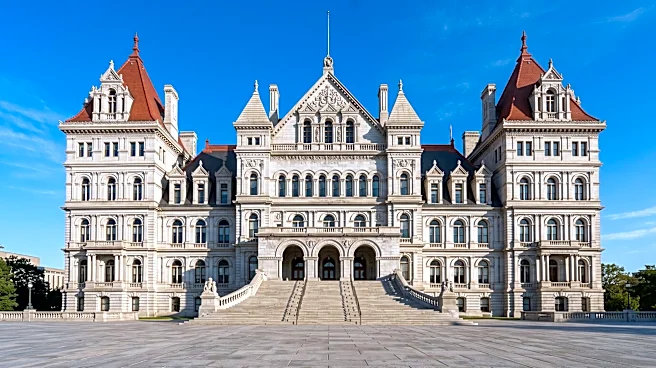
Governor Kathy Hochul is facing criticism for delays in releasing her detailed public schedules, despite early promises of unprecedented transparency upon taking office. Her office recently released nine months of schedules, but these only extend through
June 2025, making them approximately 14 months out of date. Furthermore, these schedules redact over 400 'private events,' which typically pertain to non-governmental campaign or fundraising activities, including calls to prospective donors. Previously, her office had committed to quarterly releases, but there have been significant gaps, with nearly a year passing without any detailed public schedules being released prior to the recent batch. Critics, such as Rachael Fauss of Reinvent Albany, argue that these delays and redactions undermine transparency and make the information less relevant by the time it is released.
Why It's Important?
The timely and comprehensive release of a governor's public schedule is crucial for government transparency and accountability. Delays and redactions can obscure the full scope of a governor's activities, particularly interactions with lobbyists, donors, and special interest groups, which can influence policy decisions. This lack of immediate public access can lead to public distrust and fuel concerns about undue influence. For watchdog groups and the public, timely schedules allow for real-time scrutiny of who the governor is meeting with and what issues are being discussed, ensuring that public officials are acting in the public's best interest. When schedules are released months or years later, their utility for oversight is significantly diminished, making it harder to connect specific meetings with subsequent policy outcomes.
What's Next?
The criticism regarding the delayed release of Governor Hochul's schedules is likely to continue, particularly from transparency advocates and political opponents. Her administration may face ongoing pressure to adhere more closely to its initial promises of quarterly releases and to provide more detailed information about 'private events.' This issue could become a point of contention in future political debates, with opponents using it to question the administration's commitment to transparency. The public and media will likely continue to file Freedom of Information Law (FOIL) requests, which, as noted by Rachael Fauss, are also subject to delays, further complicating efforts to gain timely insight into the governor's activities. The long-term impact could be a continued erosion of public trust if the administration does not address these concerns effectively.
Beyond the Headlines
The issue of delayed public schedules extends beyond mere administrative inefficiency; it touches upon the fundamental principles of democratic governance and the public's right to know. The practice of redacting 'private events' for campaign or fundraising purposes, while legally permissible, raises ethical questions about the blurred lines between official duties and political activities. This can create a perception that the governor's office is prioritizing political interests over public service. The argument that information becomes less relevant when released late highlights a systemic challenge in government transparency: the balance between administrative burden and the public's need for timely information. This situation underscores the ongoing tension between the desire for executive efficiency and the imperative for open government, a tension that often requires legislative or judicial intervention to resolve.