


What's Happening?
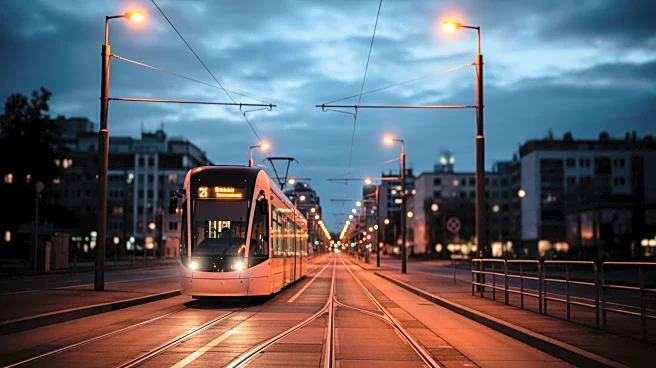
The DC Streetcar project, once envisioned as a cost-effective and efficient urban transit solution, has officially ended. Initially planned as a 37-mile system to provide high-capacity transit service, the project faced numerous challenges, including
construction delays and budget constraints. The streetcar failed to deliver the expected benefits over existing bus services, largely due to a lack of political will to make necessary compromises in street space and budget allocations. The project's termination reflects broader issues in urban transit planning and the difficulties of implementing large-scale infrastructure projects in American cities.
Why It's Important?
The end of the DC Streetcar project highlights the complexities and challenges of urban transit development in the US. It serves as a case study in the importance of political commitment and strategic planning in infrastructure projects. The failure to realize the streetcar's potential underscores the need for cities to carefully evaluate transit solutions and prioritize investments that align with long-term urban mobility goals. The project's conclusion may influence future transit planning and policy decisions, as cities seek to balance cost, efficiency, and public support in their transportation strategies.
Beyond the Headlines
The streetcar's demise raises questions about the role of public transit in urban development and the willingness of cities to invest in transformative infrastructure. It also reflects broader societal debates about the allocation of public resources and the prioritization of sustainable transportation options. The lessons learned from the DC Streetcar project could inform future efforts to integrate innovative transit solutions into urban environments, potentially leading to more resilient and adaptable transportation systems.