






What's Happening?
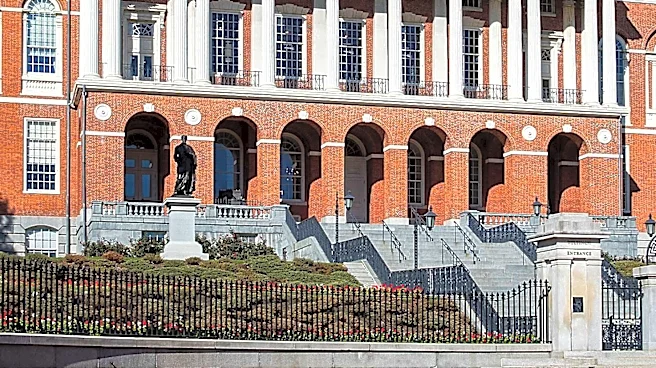
Massachusetts Governor Maura Healey has declared a state of energy emergency, Executive Order 659, in response to heating oil prices exceeding $6 a gallon. This declaration unlocks $150 million in relief funds aimed at assisting middle-class families
and low-income households. The relief measures include a 20% increase in home heating assistance for households using oil and a 15% increase for those heating with utilities, with these benefits commencing on November 1st. Additionally, a new middle-class home heating assistance program will provide approximately $680 to around 50,000 households earning between 60% and 100% of the state median income, starting in December. The governor's plan also involves temporarily waiving clean energy charges from January through March. This action comes in the absence of comprehensive energy affordability legislation, which has been stalled in a conference committee.
Why It's Important?
The declaration of an energy emergency and the allocation of $150 million in relief highlight the significant economic strain that high energy costs are placing on Massachusetts residents, particularly middle-class families and low-income households. The rising cost of heating oil and utilities directly impacts household budgets, potentially leading to difficult choices between essential needs. The temporary waiver of clean energy charges could offer some immediate financial respite, but the underlying issue of persistently high winter energy costs remains. The lack of progress on long-term energy affordability legislation, despite proposals that could save ratepayers billions, underscores a broader challenge in state policy-making. This situation could influence public perception of the current administration's effectiveness in addressing cost-of-living issues, especially as an election approaches.
What's Next?
The immediate next steps involve the implementation of the announced relief measures, with increased heating assistance benefits starting on November 1st and middle-class assistance in December. The temporary waiver of clean energy charges will take effect from January through March. Lawmakers will continue to grapple with the stalled energy affordability legislation, with the current legislative session ending in January. The outcome of these legislative efforts will determine whether more permanent solutions to high energy costs are enacted. The governor's administration will likely monitor the impact of the emergency measures and assess the ongoing need for intervention. The situation could also prompt further discussions and proposals regarding the state's energy policies and funding mechanisms to prevent future energy emergencies.
Beyond the Headlines
This energy emergency declaration points to a deeper systemic issue within Massachusetts' energy infrastructure and policy framework, where short-term fixes are often employed in the absence of long-term strategic planning. The reliance on executive orders and temporary waivers, while providing immediate relief, does not address the fundamental drivers of high energy costs. The ongoing debate over energy affordability legislation, with significant proposed savings for ratepayers, suggests a disconnect between legislative intent and actionable policy. This situation also raises questions about the state's transition to clean energy and how these initiatives are balanced with immediate affordability concerns for residents. The criticism regarding the lack of a dedicated funding source for such emergencies and the challenges in passing comprehensive legislation highlight the complexities of governing in a state with diverse energy needs and political priorities.