






What's Happening?
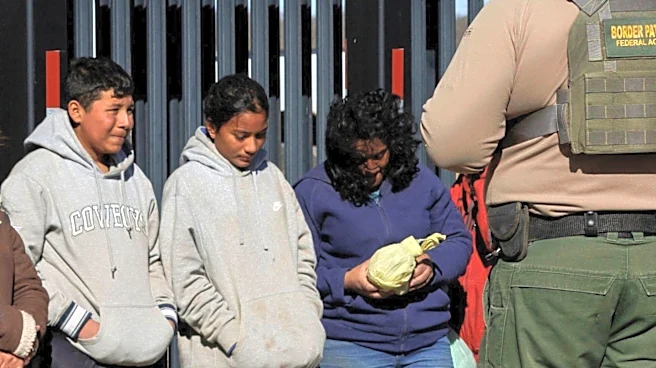
Senator Dick Durbin, a Democratic Whip from Illinois, has released a report detailing severe allegations of mistreatment at the South Texas Family Residential Center, an ICE detention facility in Dilley, Texas. The report, based on interviews with detainees,
describes a 'top-down culture of cruelty,' including guards disrupting children's sleep, taunting them with food, and providing inadequate medical care. Durbin's findings are part of an ongoing investigation into the conditions of immigration detention facilities, focusing on medical and mental health care. The report also accuses the Department of Homeland Security (DHS) of obstructing oversight efforts by imposing arbitrary time limits on facility visits. CoreCivic, the private company operating the facility, disputes these claims, asserting that the facility meets family needs and provides adequate care. The report further alleges violations of the Flores Settlement Agreement, which sets standards for the treatment of detained immigrant children.
Why It's Important?
The report underscores significant concerns about the treatment of detainees in U.S. immigration facilities, potentially impacting public perception and policy regarding immigration enforcement. The allegations of inadequate medical care and mistreatment could lead to increased scrutiny of ICE and DHS practices, influencing future legislative and judicial actions. The report's findings may also fuel ongoing debates about the Trump administration's immigration policies, particularly regarding the treatment of families and children in detention. If substantiated, these allegations could prompt calls for policy reforms and increased oversight of detention facilities, affecting how immigration laws are enforced and perceived in the U.S.
What's Next?
Senator Durbin has called for a Senate Judiciary Committee hearing to further investigate the conditions at the Dilley facility and other detention centers. This could lead to legislative proposals aimed at improving oversight and conditions in immigration detention facilities. The report may also prompt legal challenges or further investigations by other governmental bodies or advocacy groups. The response from DHS and ICE, as well as potential policy changes, will be closely watched by stakeholders, including immigrant rights organizations and lawmakers. The ongoing scrutiny could influence future immigration policy and enforcement practices.