








What's Happening?
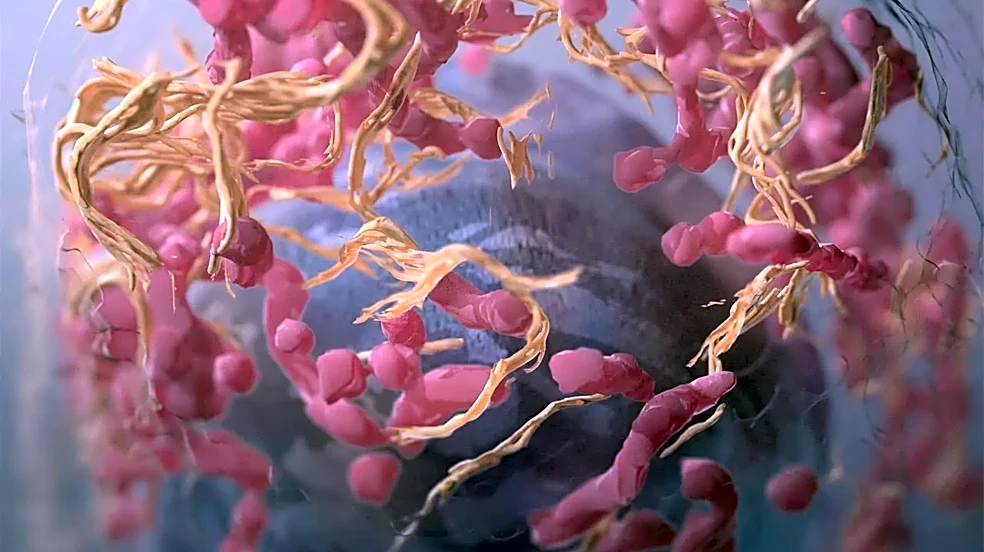
Prebiotics are substances, primarily sugars and fibers such as Inulin, Alpha-Glucan Oligosaccharide, and oat derivatives, that act as nourishment for beneficial microorganisms within the skin microbiome. Their primary function is to foster the growth
of existing beneficial microorganisms rather than introducing new ones. This approach is considered gentle and well-tolerated, particularly for unsettled skin. In the broader context of health, prebiotics are part of a 'tribiotic' strategy, which also includes probiotics and postbiotics, aimed at supporting the skin barrier, regulating inflammation, and maintaining moisture. Beyond topical applications, prebiotics are recognized in functional foods as fibers that feed beneficial gut bacteria, thereby promoting a healthier digestive environment. Similarly, in pet foods, prebiotics are incorporated to support beneficial gut bacteria, contributing to improved digestive health and nutrient absorption.
Why It's Important?
The understanding and application of prebiotics are significant for several U.S. industries, including cosmetics, food and beverage, and pet care. In the cosmetic industry, the gentle nature of prebiotics makes them valuable for products targeting sensitive or compromised skin, potentially leading to new product lines and market growth. For the food and beverage sector, the inclusion of prebiotics in functional foods aligns with growing consumer demand for health-promoting ingredients, offering opportunities for product innovation and market differentiation. The pet food industry also benefits by addressing pet owners' increasing focus on animal health and wellness, potentially leading to enhanced product efficacy and consumer loyalty. The emphasis on supporting existing beneficial microorganisms rather than introducing new ones highlights a nuanced approach to microbiome health, which could influence research and development in these sectors, driving demand for specific prebiotic ingredients and related scientific expertise.
What's Next?
The continued research into the specific mechanisms and benefits of various prebiotics is expected to lead to the development of more targeted and effective products across multiple industries. In the skincare sector, we may see an expansion of cosmetic lines featuring diverse prebiotic compounds tailored for different skin concerns. The functional food market is likely to introduce a wider array of products fortified with prebiotics, catering to various dietary preferences and health goals. Furthermore, the pet food industry will likely continue to innovate with prebiotic formulations to address specific digestive and overall health needs in animals. Regulatory bodies may also begin to establish clearer guidelines or classifications for prebiotic ingredients as their use becomes more widespread and their health claims more substantiated, influencing product labeling and marketing strategies. This ongoing evolution will likely foster greater consumer awareness and demand for prebiotic-containing products.
Beyond the Headlines
The growing focus on prebiotics reflects a broader scientific and societal shift towards understanding and leveraging the body's natural microbial ecosystems for health and wellness. This 'microbiome-centric' approach moves beyond simply treating symptoms to fostering a balanced internal and external environment. Ethically, this trend raises questions about the responsible sourcing and sustainability of prebiotic ingredients, particularly those derived from natural sources. Legally, as health claims associated with prebiotics become more prominent, there will be increased scrutiny on substantiating these claims through rigorous scientific evidence. Culturally, the integration of prebiotics into everyday products, from skincare to pet food, signifies a deeper public engagement with concepts of microbial health and preventative wellness, potentially leading to a more holistic view of health that encompasses both human and animal well-being.