




What's Happening?
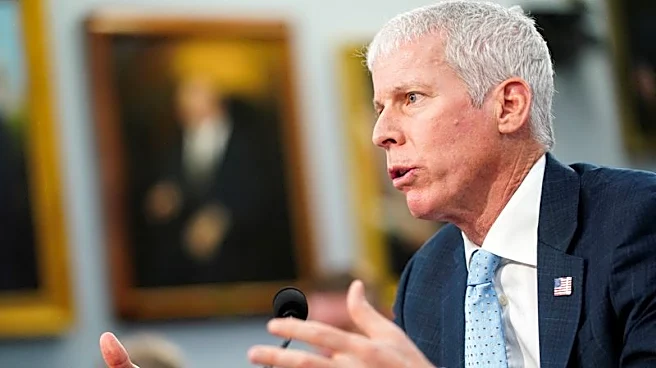
Congressman Morgan Griffith has been actively involved in legislative efforts concerning risky research and organ donation oversight. In the 118th Congress, he served as Chairman of the Oversight & Investigations Subcommittee for the House Committee on Energy
and Commerce and was a leading member of the Select Subcommittee on the Coronavirus Pandemic. His investigative work into the National Institutes of Health (NIH) and public health officials like Dr. Anthony Fauci led him to introduce the Risky Research Review Act, aiming to make American-funded research safer, more transparent, and accountable. This bill was reintroduced in the 119th Congress with Senator Rand Paul. Additionally, Griffith investigated issues within the organ donation and transplant system, highlighting failures of Organ Procurement Organizations (OPOs) and alarming allegations, including reports of an OPO planning to operate on prospective organ donors showing signs of life. The Trump Administration has responded to these concerns by announcing a new government policy in July 2026 to stop high-risk life sciences research, prohibiting American funding for dangerous gain-of-function research and establishing stronger oversight. In August 2026, the U.S. Department of Health and Human Services took steps to decertify Network for Hope, an OPO, following Griffith's investigation.
Why It's Important?
These actions are important for several reasons. The Risky Research Review Act and the Trump Administration's new policy on high-risk life sciences research aim to enhance the safety, transparency, and accountability of federally funded research, particularly in areas like gain-of-function research. This could prevent potential public health risks and ensure ethical conduct in scientific endeavors. The decertification of Network for Hope signifies a critical step in addressing systemic issues within the organ donation and transplant system. Allegations of operating on donors showing signs of life and other disturbing reports underscore the urgent need for stricter oversight and improved practices within OPOs. This move by the Department of Health and Human Services demonstrates a commitment to protecting prospective organ donors and patients awaiting life-saving treatments, potentially restoring public trust in the organ donation process and improving patient outcomes. These legislative and administrative actions reflect a broader effort to safeguard public health and ensure the integrity of critical healthcare systems.
What's Next?
Congressman Griffith plans to continue advocating for his Risky Research Review Act to enshrine necessary guardrails into law for federally funded risky research, despite the Trump Administration's recent policy changes. This indicates ongoing legislative scrutiny and potential for further reforms in the oversight of life sciences research. The decertification of Network for Hope will likely lead to a reevaluation of practices within other Organ Procurement Organizations and could prompt further investigations or regulatory changes across the organ donation and transplant system. Other OPOs may face increased scrutiny and pressure to improve their management and operating procedures to avoid similar consequences. The broader impact could include a push for more stringent federal standards and increased accountability for organizations involved in organ procurement. Additionally, the ongoing dialogue between Congress and the administration on these critical health policy issues suggests a continued focus on public health and safety.
Beyond the Headlines
Beyond the immediate policy changes, these developments highlight deeper ethical and societal implications. The scrutiny of risky research, particularly gain-of-function studies, touches upon the delicate balance between scientific advancement and public safety. It raises questions about the ethical boundaries of research and the responsibility of institutions and governments to mitigate potential catastrophic risks. The allegations within the organ donation system, particularly the reports of operating on donors showing signs of life, expose profound ethical concerns regarding the definition of death and the sanctity of human life in medical procedures. Such incidents can erode public trust in medical institutions and the organ donation process, potentially impacting the willingness of individuals to become donors. The push for greater transparency and accountability in both research and organ donation reflects a societal demand for ethical governance and protection of vulnerable individuals within complex scientific and medical systems.