



What's Happening?
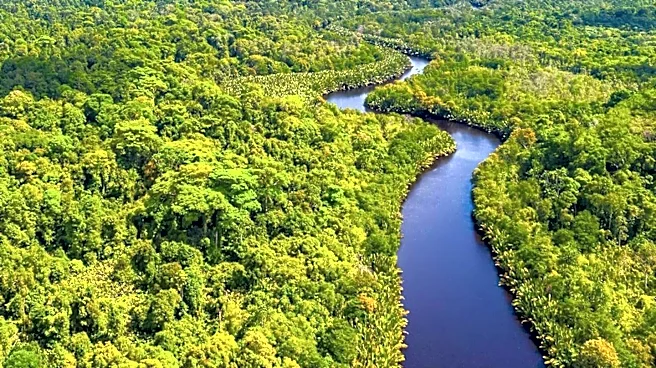
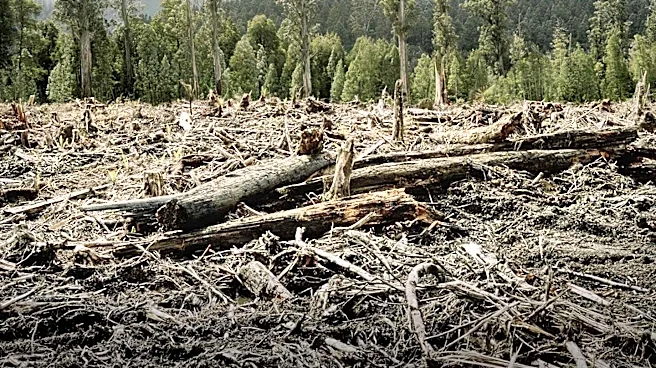
The article discusses the resilience of nature in mitigating the impacts of climate change, despite the ongoing environmental challenges. Johan Rockström, director of the Potsdam Institute for Climate Impact Research, highlights that half of the carbon
dioxide emissions are absorbed by natural carbon sinks like oceans and forests. However, these systems are under stress, with tree cover loss in the Amazon and rising ocean temperatures indicating a weakening capacity to absorb carbon. Despite these challenges, there are positive signs, such as reduced fires in Africa and Asia due to improved management practices. The article emphasizes the need for continued action to prevent reaching a tipping point in climate change.
Why It's Important?
This discussion underscores the critical role of natural ecosystems in buffering the effects of climate change. The resilience of these systems is vital for maintaining global climate stability, but their current stress levels highlight the urgency of addressing environmental degradation. The data presented serves as a call to action for policymakers, industries, and individuals to prioritize sustainable practices and conservation efforts. The potential weakening of natural carbon sinks could exacerbate climate change impacts, affecting global weather patterns, biodiversity, and human livelihoods. Therefore, understanding and supporting the resilience of these systems is crucial for long-term environmental and societal well-being.