



What's Happening?
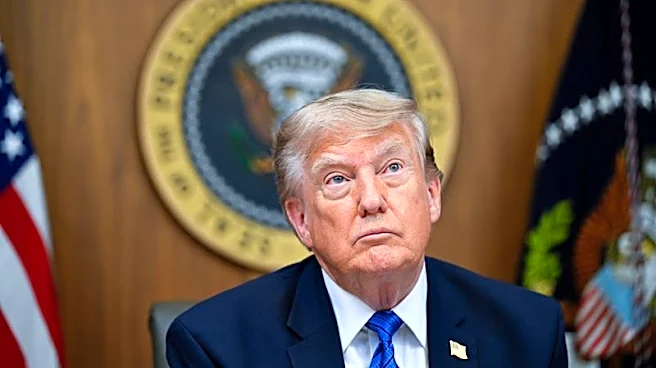
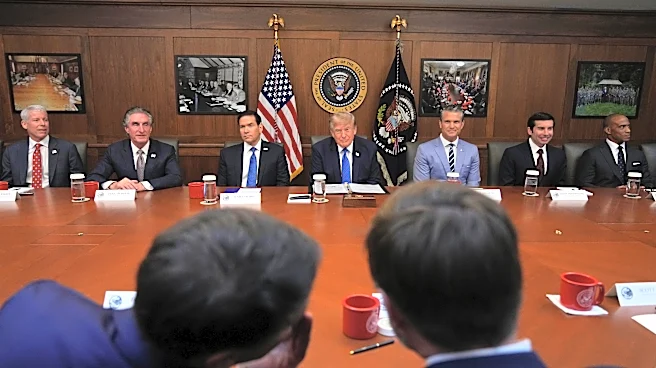
President Trump has denied any information suggesting that the International Criminal Court (ICC) is targeting him for investigation. During a televised Cabinet meeting at Camp David, Trump emphasized that the administration's diplomatic efforts are focused
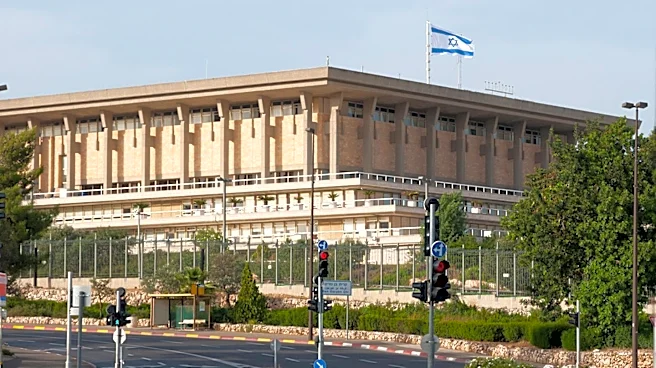
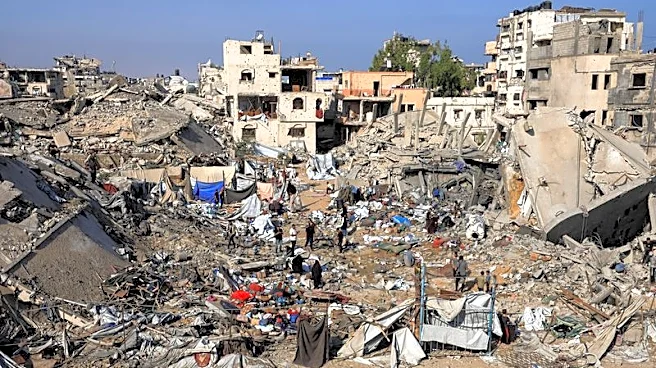
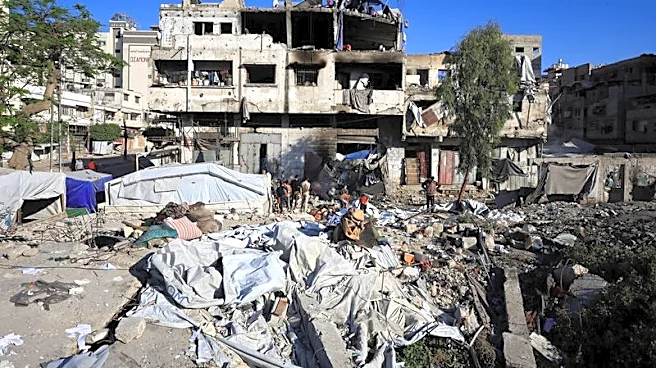
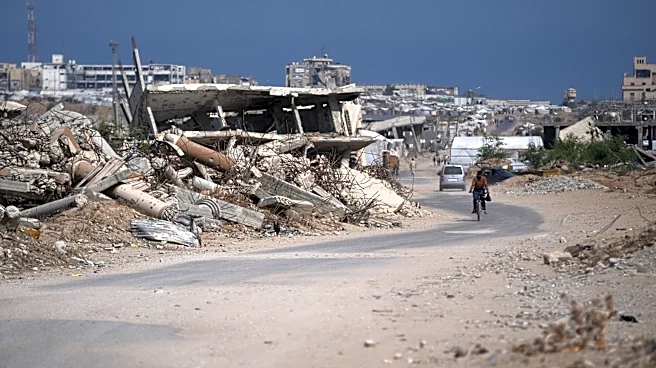
on protecting Israeli leaders, particularly Prime Minister Benjamin Netanyahu, rather than shielding himself. Secretary of State Marco Rubio has been leading diplomatic efforts to defend Israeli officials against ICC actions related to the Gaza conflict. Several nations have announced plans to withdraw from the ICC, aligning with the U.S. stance against the court's jurisdiction over non-member states.
Why It's Important?
The Trump administration's stance against the ICC reflects broader concerns about the court's jurisdiction and its implications for national sovereignty. By opposing the ICC's actions, the U.S. aims to protect its allies and prevent potential legal challenges against American and allied leaders. This position may influence international relations and the future of international justice mechanisms. The withdrawal of several nations from the ICC could weaken the court's authority and impact its ability to prosecute war crimes and crimes against humanity, raising questions about accountability and justice on the global stage.
What's Next?
As the U.S. continues its diplomatic campaign against the ICC, there may be further withdrawals from the court by other nations, potentially leading to a reevaluation of the ICC's role and effectiveness. The international community may need to address the concerns raised by the U.S. and other countries regarding the court's jurisdiction and legitimacy. Additionally, the situation could prompt discussions on alternative mechanisms for addressing international crimes and ensuring accountability, particularly in cases involving non-member states.
Beyond the Headlines
The U.S. opposition to the ICC highlights the tension between national sovereignty and international justice. The situation raises ethical and legal questions about the balance between protecting national interests and upholding international law. The debate over the ICC's jurisdiction may also reflect broader geopolitical dynamics, as countries navigate complex relationships and alliances. The outcome of this situation could have long-term implications for the future of international justice and the ability of global institutions to address human rights violations.