



What's Happening?
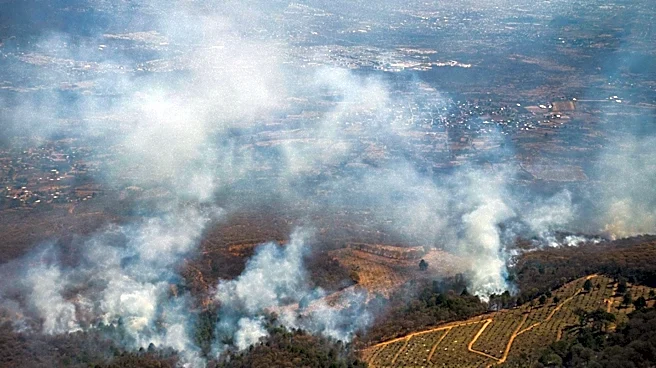
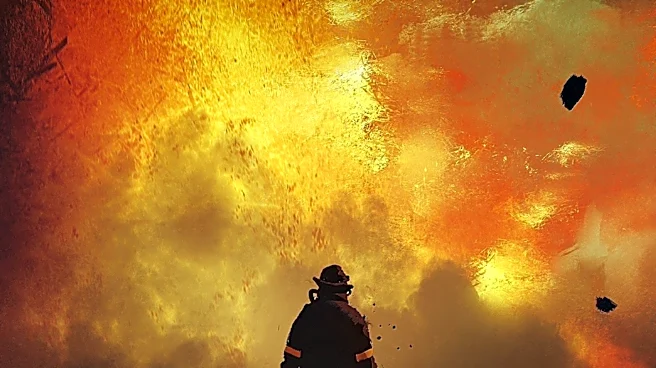
A new wildfire, named the Chokecherry Fire, ignited on Saturday night in Box Elder County, Utah. Officials estimate the fire to be approximately 50 acres in size and reported "active fire behavior." The blaze is burning in Chokecherry Canyon, located
near Promontory Point. As of Saturday night, there have been no reports of evacuations, closures, or structures being threatened by the fire. Details regarding the cause of the fire or the resources deployed to combat it were not immediately available in the report.
Why It's Important?
The emergence of a new wildfire, even if initially small, is significant given Utah's ongoing and record-breaking wildfire season. Each new fire adds to the strain on firefighting resources, which are already stretched thin across the state. The active fire behavior indicates a potential for rapid growth, especially in dry and windy conditions, posing a risk to nearby natural habitats and potentially to human infrastructure if it spreads. The location near Promontory Point, an area with historical significance, also raises concerns about potential damage to cultural or historical sites. The lack of immediate evacuations or threatened structures is a positive sign, but the situation remains dynamic and requires close monitoring to prevent escalation and protect public safety and property.
What's Next?
Firefighting crews will continue to monitor and work to contain the Chokecherry Fire. The immediate focus will be on assessing the fire's perimeter, controlling its spread, and protecting any vulnerable areas. Officials will likely provide updates on containment efforts, any changes in fire behavior, and potential impacts on the surrounding environment. Depending on weather conditions and the fire's progression, decisions regarding evacuations or road closures could be made. The incident will also contribute to the broader data on Utah's wildfire season, informing future prevention strategies and resource allocation for fire management across the state.
Beyond the Headlines
The Chokecherry Fire, while a localized event, is part of a larger pattern of increased wildfire activity in Utah and the Western U.S., often linked to climate change, prolonged droughts, and rising temperatures. This incident underscores the continuous vulnerability of natural landscapes to fire and the persistent challenge of managing these events. The repeated occurrence of wildfires highlights the need for long-term strategies that go beyond immediate suppression, including proactive land management, community preparedness, and public education on fire prevention. The cumulative impact of these fires on air quality, ecosystems, and local economies will continue to be a critical concern for the region.