





What's Happening?
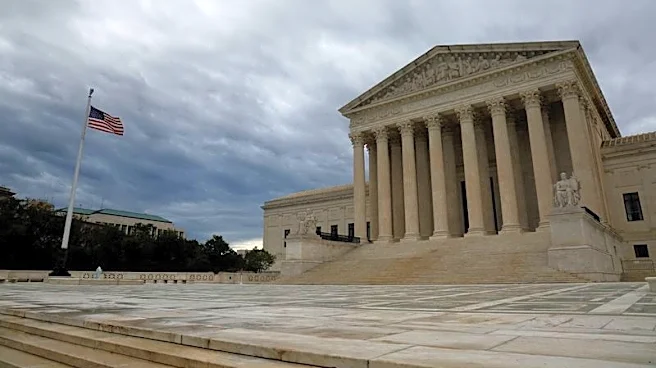
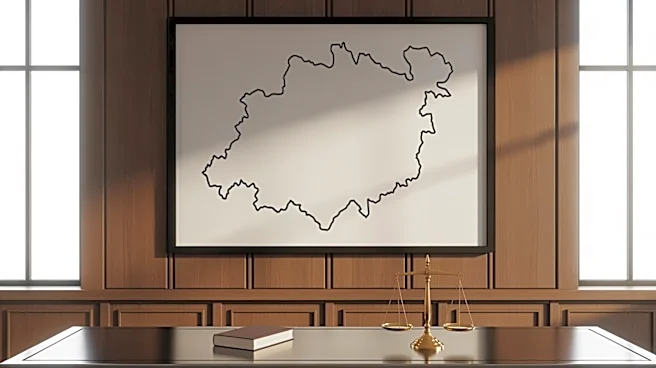
The U.S. Supreme Court has lifted a previous order that blocked Alabama from using a congressional map that was deemed an illegal racial gerrymander. This decision allows Alabama to proceed with using the map in upcoming special elections. The court's
ruling follows a recent decision that weakened the Voting Rights Act, which had been used to challenge the creation of predominantly minority districts. The conservative majority's decision drew dissents from the three liberal justices, who expressed concerns about the potential for confusion and the undermining of previous findings of discriminatory intent.
Why It's Important?
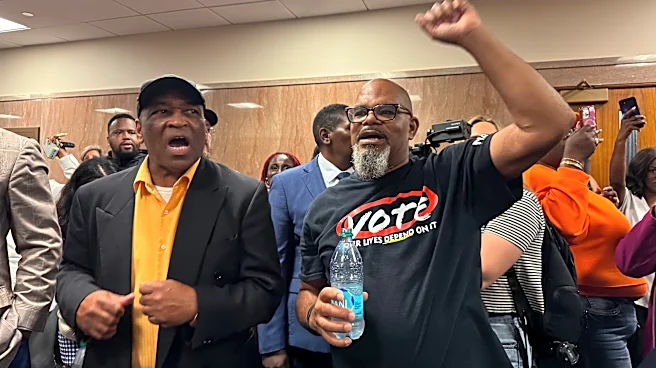
This ruling is significant as it reflects the ongoing national debate over voting rights and the use of gerrymandering in electoral processes. The decision could have far-reaching implications for how congressional districts are drawn, particularly in states with significant minority populations. By allowing Alabama to use the contested map, the Supreme Court's decision may embolden other states to pursue similar redistricting strategies, potentially affecting the political landscape and representation of minority communities. The ruling also highlights the evolving interpretation of the Voting Rights Act and its impact on electoral fairness.
What's Next?
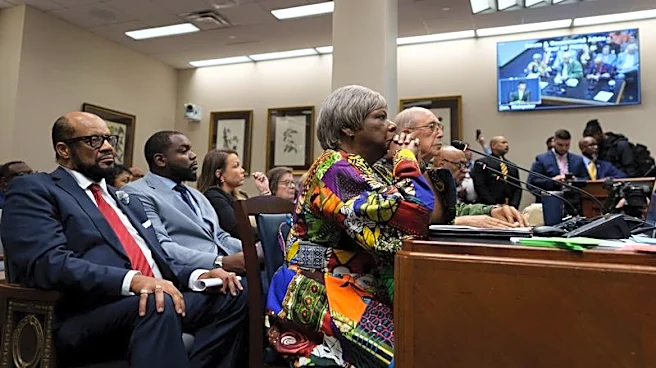
The case has been remanded to the U.S. District Court for the Northern District of Alabama for further consideration. Alabama's primary elections are scheduled for May 19, and the state's governor has signed legislation allowing for special elections if necessary. The district court will need to determine whether the Supreme Court's recent decision affects its previous findings. This ongoing legal battle may lead to further challenges and adjustments in how electoral maps are drawn, with potential implications for future elections and the balance of political power in the U.S.