



What's Happening?
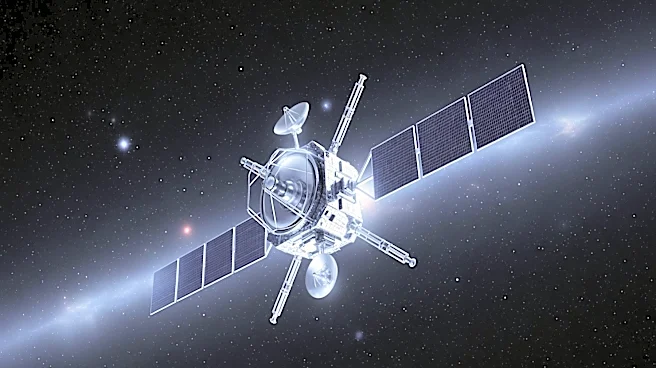
NASA's Neil Gehrels Swift Observatory, a pivotal tool in astrophysics, is set to receive a boost to extend its operational life. Originally launched in 2004 as the Swift Gamma-ray Observatory, it was renamed in 2018 to honor Neil Gehrels. The spacecraft,
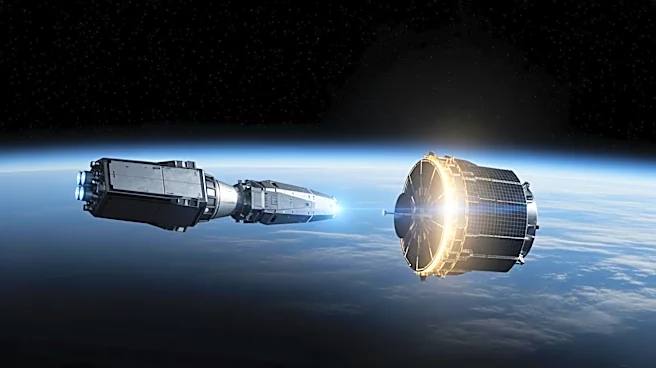
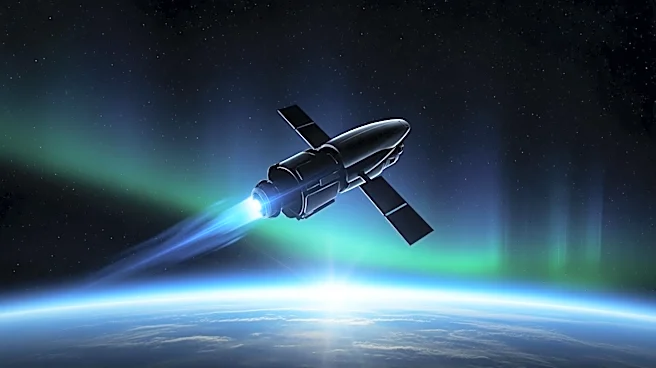
built by Northrop Grumman, is renowned for its ability to rapidly observe cosmic phenomena across multiple wavelengths, including gamma-ray bursts. In January 2025, NASA identified that Swift would re-enter Earth's atmosphere by summer 2026. To prevent this and continue its scientific contributions, NASA plans to boost the observatory, showcasing a key capability for future space exploration and private spacecraft servicing.
Why It's Important?
The decision to extend the Swift Observatory's mission underscores its critical role in time-domain and multimessenger astronomy. By observing gamma-ray bursts and other cosmic events, Swift contributes significantly to our understanding of the universe, from black hole activity to comet studies. The boost not only prolongs Swift's scientific output but also demonstrates NASA's commitment to advancing spacecraft servicing technologies. This initiative could pave the way for future missions, enhancing the longevity and capabilities of space observatories, thereby benefiting the scientific community and expanding our cosmic knowledge.
What's Next?
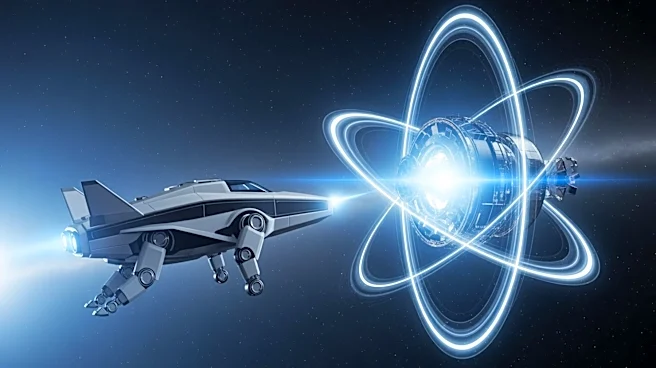
NASA's plan to boost the Swift Observatory involves collaboration with private sector partners, potentially setting a precedent for future spacecraft servicing missions. This initiative may lead to advancements in technology that could be applied to other aging satellites, ensuring continued data collection and scientific discovery. The success of this mission could influence future policies and funding for space exploration, emphasizing the importance of maintaining and extending the life of valuable space assets.