




What's Happening?
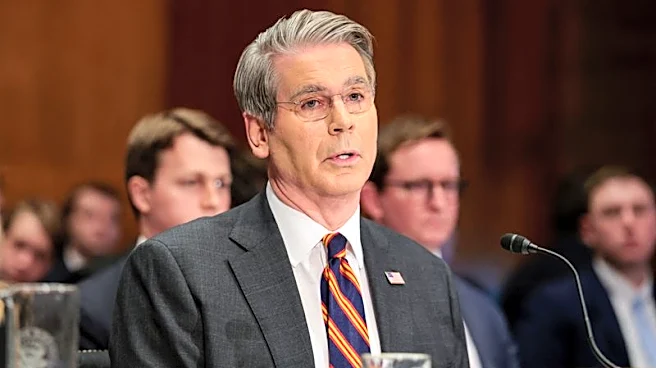
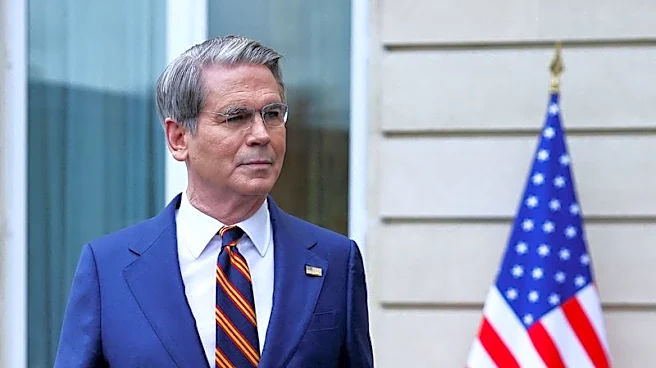
A proposed executive order from the Trump administration could require banks to collect citizenship information from customers, potentially leaving millions of Americans without access to banking services. U.S. Treasury Secretary Scott Bessent stated
that the order is in process, aiming to ensure that only legal residents have access to the U.S. banking system. The order would require banks to request identification documents, such as passports or birth certificates, from both new and existing customers. Critics warn that this could disproportionately affect vulnerable populations, including elderly Americans, low-income individuals, and those without easy access to documentation.
Why It's Important?
The executive order reflects President Trump's ongoing efforts to reduce illegal immigration and tighten security measures. However, the potential impact on millions of Americans, including some of Trump's own supporters, raises significant concerns. The order could lead to widespread 'debanking,' affecting individuals who rely on basic banking services. This move could also strain the relationship between banks and their customers, as well as between state and federal governments. The order's implementation could have broader economic implications, potentially affecting consumer spending and financial stability.
What's Next?
If the executive order is implemented, banks will need to develop systems to verify citizenship, which could involve significant logistical challenges and costs. There may be legal challenges from civil rights groups and affected individuals, potentially delaying or altering the order's implementation. The response from the banking industry will be critical, as they balance compliance with customer retention. Additionally, the order could prompt legislative action from Congress, either in support or opposition, influencing future immigration and financial policies.