



What's Happening?
Realtor.com has released its annual report identifying the hottest ZIP codes in the United States for 2026, with Peabody, Massachusetts (01960) topping the list. This Boston suburb, known for its historical significance as 'Leather City,' has seen a resurgence
in popularity, drawing significant interest from homebuyers. The ranking is based on two key metrics: Market Demand, which measures unique property views per listing, and Market Pace, which assesses how quickly listings close. Despite a general cooling in the housing market and slower price growth nationwide, Peabody has experienced a high concentration of demand, particularly from within the Boston metro area. Buyers in Peabody are characterized by strong financial credentials, with an average credit score of 747 and a 14% down payment. Other top ZIP codes include Montclair, NJ, and Sewell, NJ, which also show high demand and quick sales.
Why It's Important?
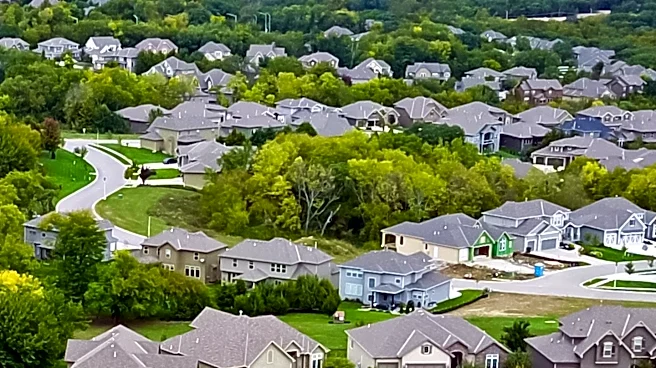
The identification of Peabody, MA as the hottest ZIP code highlights a broader trend of suburban areas near major metropolitan hubs attracting significant buyer interest. This trend reflects a desire for suburban living without sacrificing proximity to job centers like Boston, New York, and Philadelphia. The report underscores the ongoing challenges in the housing market, such as affordability issues, with mortgage rates hovering around 6.3%. However, in these high-demand areas, properties often sell at or above the asking price, indicating a competitive market. This situation benefits sellers and real estate investors in these regions, while posing challenges for buyers who must be financially prepared to compete.
What's Next?
As demand continues to concentrate in suburban areas, it is likely that these regions will see sustained interest from buyers, potentially leading to further price increases and competition. Real estate professionals and policymakers may need to address affordability and inventory challenges to accommodate this demand. Additionally, the trend may influence urban planning and development strategies, as more people seek the balance of suburban living with urban accessibility.