









What's Happening?
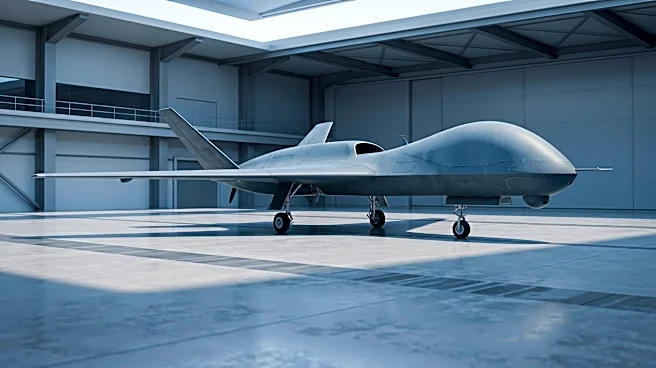
The acting Army Chief of Staff, LaNeve, appointed by Defense Secretary Pete Hegseth, has canceled an experimental drone battalion. This decision reverses a project initiated by the previous Army Chief, Gen. Randy George, who was abruptly relieved of his post
by Secretary Hegseth in April. LaNeve, who was Hegseth's senior military aide, has rapidly ascended through the ranks and is now in a position to reshape programs from the previous leadership. The experimental drone battalion, composed of 600 soldiers from the 173rd Airborne Brigade, was intended to develop drone expertise within the Army. Following an exercise in the early fall, the unit will revert to its original role as an airborne infantry unit.
Why It's Important?
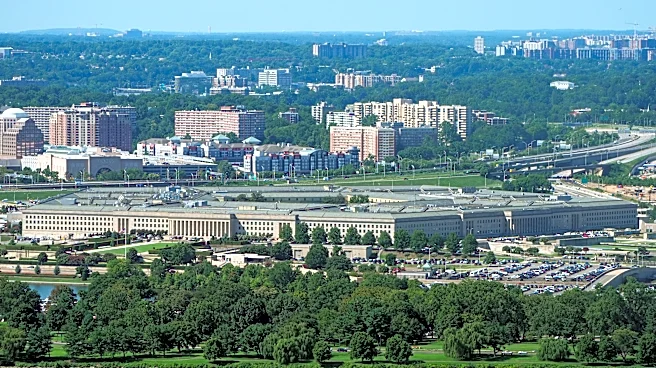
The cancellation of the experimental drone battalion by the new Army Chief, a direct appointee of Secretary Hegseth, signals a significant shift in the Army's strategic priorities and potentially reflects internal political dynamics within the Pentagon. This move could be seen as a setback for the development of crucial drone warfare capabilities, which are increasingly vital in modern military conflicts. The abrupt removal of Gen. Randy George and other top generals, coupled with the rapid promotion of LaNeve, suggests a consolidation of power and a reorientation of the Army's direction under Secretary Hegseth's influence. This internal upheaval could impact military readiness, innovation, and the morale of personnel involved in cutting-edge programs, raising questions about the long-term strategic vision for the U.S. Army.
What's Next?
The 600 soldiers from the now-canceled experimental drone battalion will conduct a final exercise in the early fall before returning to their roles as an airborne infantry unit. This decision effectively ends the Army's experiment with a dedicated drone battalion, at least for the foreseeable future. The broader implications include a potential re-evaluation of how the Army integrates drone technology into its operations, possibly favoring a more decentralized or different approach. The ongoing internal political struggles within the Pentagon, particularly between Secretary Hegseth and other senior military leaders, are likely to continue shaping future policy decisions and personnel changes within the Army. Observers will be watching for further indications of the Army's strategic direction under its new leadership.
Beyond the Headlines
The cancellation of the experimental drone battalion highlights a deeper tension within military institutions regarding innovation and adaptation to new forms of warfare. While drone technology is widely recognized as a critical component of modern combat, the decision to scrap a dedicated experimental unit suggests either a fundamental disagreement on the best approach to integrate these capabilities or a prioritization of other strategic objectives. This situation also underscores the impact of political appointments and internal power struggles on military doctrine and resource allocation. The rapid ascent of LaNeve, a Hegseth loyalist, and the subsequent reversal of previous initiatives, could lead to a more centralized and politically aligned military leadership, potentially at the expense of independent military judgment and long-term strategic planning. This dynamic raises questions about the balance between political control and military expertise in shaping defense policy.