

What's Happening?
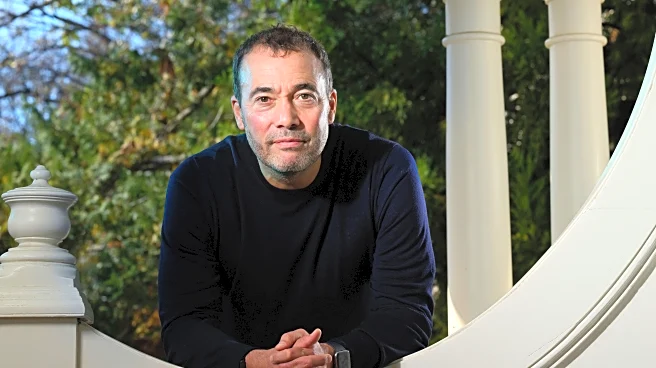
Nigeria's oil industry is undergoing significant changes following the resignation of Farouk Ahmed, the Chief Executive Officer of the Nigerian Midstream and Downstream Petroleum Regulatory Authority (NMDPRA). This development comes after billionaire
industrialist Aliko Dangote accused Ahmed of corruption, alleging that he was living beyond his means by paying $5 million in school fees for his children in Switzerland. President Bola Tinubu has nominated Saidu Aliyu Mohammed as Ahmed's replacement, pending Senate confirmation. The shake-up also includes the resignation of the head of the Nigerian Upstream Petroleum Regulatory Commission, Gbenga Komolafe, with Oritsemeyiwa Amanorisewo Eyesan nominated as his successor. These changes are part of a broader effort to reform Nigeria's oil sector, which is crucial to the country's economy.
Why It's Important?
The resignation of key figures in Nigeria's oil regulatory bodies highlights ongoing challenges in governance and transparency within the sector. The allegations of corruption against Ahmed underscore the difficulties in maintaining accountability in a country where public-sector salaries are relatively low. The swift nominations by President Tinubu signal a commitment to reforming the oil industry, which is vital for Nigeria's economic stability and growth. The sector accounts for a significant portion of Nigeria's foreign exchange earnings, and effective governance is essential to attract investment and modernize the industry. The involvement of high-profile figures like Dangote, whose refinery project is pivotal to reducing Nigeria's fuel import dependence, further emphasizes the importance of these reforms.
What's Next?
The Nigerian Senate will need to confirm the new appointments to the NMDPRA and the Nigerian Upstream Petroleum Regulatory Commission. These confirmations are crucial for the continuation of reforms aimed at improving transparency and efficiency in the oil sector. The new appointees, Saidu Aliyu Mohammed and Oritsemeyiwa Amanorisewo Eyesan, bring extensive experience in the oil and gas industry, which could help restore confidence among investors and stakeholders. The government's handling of these appointments and the ongoing reforms will be closely watched by both domestic and international observers, as they could set the tone for future governance in Nigeria's oil industry.