



What's Happening?
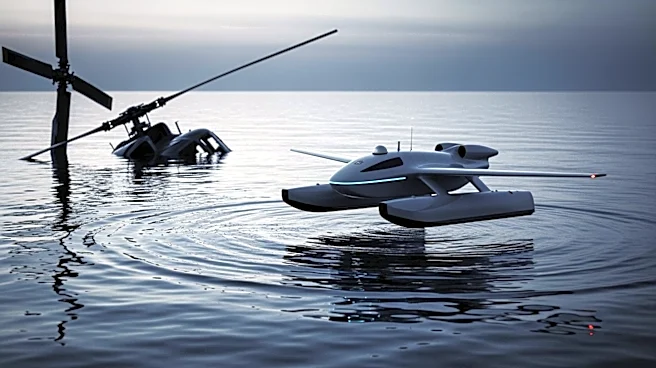
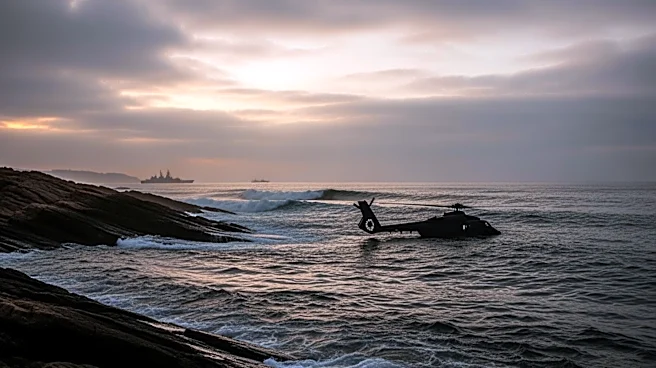
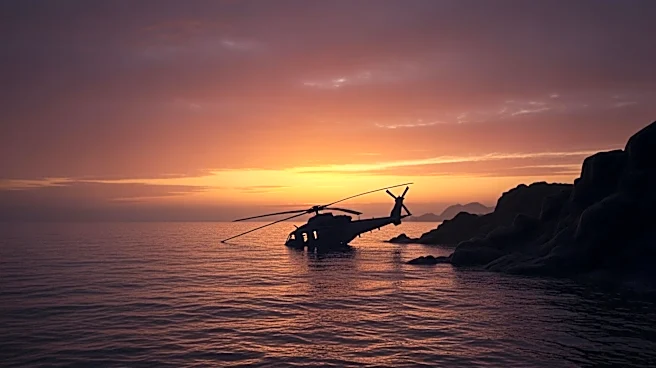
A US Navy surface drone successfully rescued two American soldiers after their Apache helicopter crashed off the coast of Oman. The incident occurred while the helicopter was patrolling regional waters, and the soldiers were rescued within two hours.
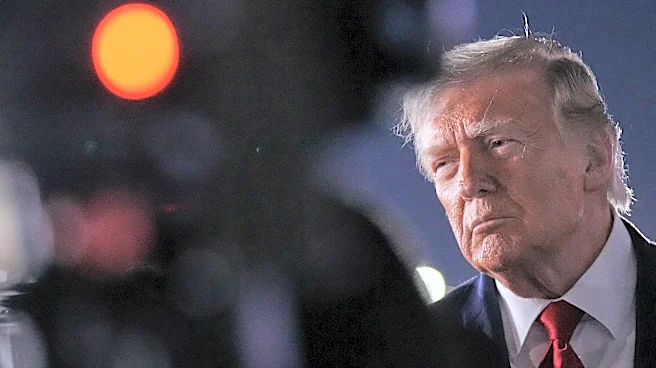
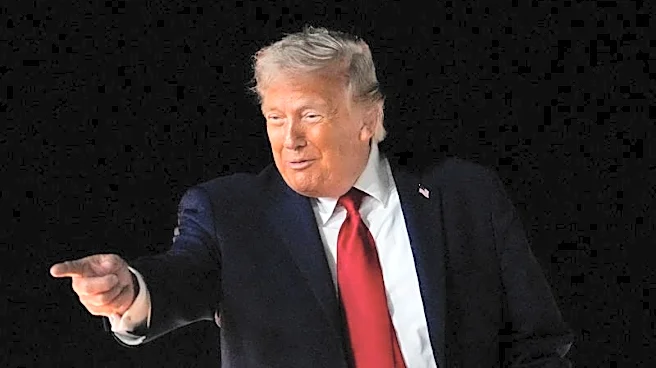
The rescue mission was led by the Army's 82nd Airborne Division and supported by the US Air Force and Navy's Task Force 59, which focuses on integrating drones and AI into maritime missions. President Trump stated that Iran shot down the Apache, prompting the US to launch self-defense strikes against Iran. This marks the first Apache loss in the ongoing conflict with Iran.
Why It's Important?
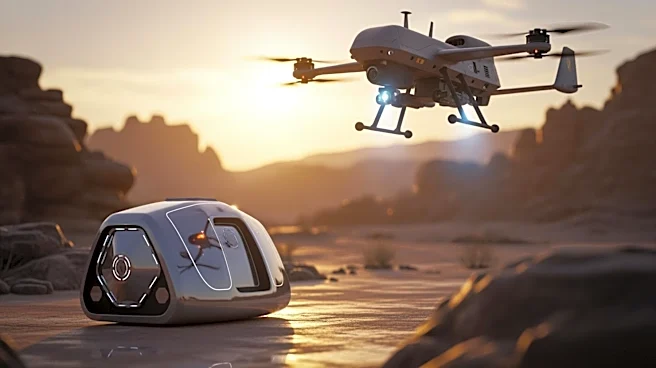
The use of a naval drone in this rescue mission represents a significant advancement in military operations, highlighting the growing integration of unmanned systems in defense strategies. This development could lead to increased reliance on drones for various military applications, potentially reducing risks to human personnel. The incident also reflects the volatile situation in the Middle East, particularly in the Strait of Hormuz, a strategic location for global oil transport. The US response to the alleged Iranian attack could escalate tensions, impacting international relations and regional stability.
What's Next?
The US military will likely continue to investigate the circumstances surrounding the helicopter crash, focusing on the alleged Iranian involvement. This could lead to further military actions or diplomatic efforts to address the situation. The successful use of the drone in the rescue mission may prompt the US military to expand its deployment of unmanned systems in other operations. Additionally, the incident may influence future defense policies and strategies, particularly regarding the use of autonomous technologies in conflict zones.