






What's Happening?
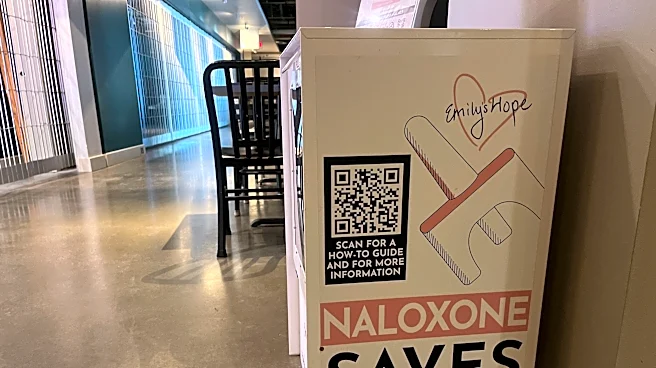
Natural disasters, such as Hurricane Helene in 2024, have exacerbated challenges for individuals recovering from opioid addiction by disrupting access to essential medications like Suboxone. The storm's impact in North Carolina highlighted the vulnerability
of recovery efforts during emergencies, as patients struggled to obtain prescriptions due to infrastructure damage. A group of doctors is advocating for policy changes to ensure better access to addiction medications during such crises, emphasizing the need for federal and state governments to address these gaps as climate change increases the frequency of severe weather events.
Why It's Important?
The intersection of natural disasters and the opioid crisis presents a significant public health challenge. Disruptions in medication access can lead to relapses and increased overdose risks, undermining recovery efforts and potentially escalating the opioid epidemic. This issue highlights the need for integrated disaster response strategies that include provisions for maintaining access to addiction treatment. Addressing these challenges is crucial for public health resilience, particularly as climate change is expected to increase the frequency and severity of natural disasters.
What's Next?
Advocates are calling for legislative action to improve access to addiction medications during emergencies. Proposed measures include allowing patients to stockpile medications and creating registries for those in recovery to facilitate cross-state access. These changes aim to mitigate the impact of future disasters on recovery efforts. The push for policy reform is gaining momentum, with potential implications for healthcare providers, pharmacies, and emergency management agencies as they adapt to new protocols.