




What's Happening?
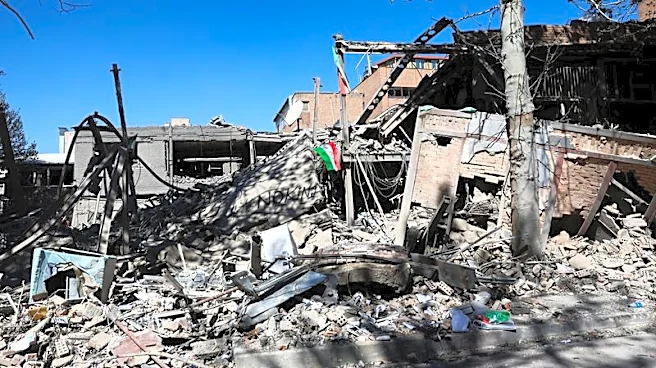
The U.S. House of Representatives has passed a resolution to limit President Trump's military powers concerning Iran, marking a significant move against the administration's current strategy. The resolution, which passed with a vote of 215 to 208, directs
the president to withdraw U.S. Armed Forces from hostilities with Iran unless Congress declares war or authorizes military action. This decision comes after the conflict surpassed the 60-day deadline set by the War Powers Resolution of 1973, which mandates congressional authorization for military engagements. The resolution saw support from four Republican representatives, highlighting a growing discomfort within the GOP regarding the lack of congressional approval and a clear strategy to end the conflict. The measure was introduced by Rep. Gregory Meeks of New York, emphasizing the need for legislative oversight in military actions.
Why It's Important?
This development underscores a significant shift in congressional dynamics, particularly within the Republican Party, as some members express concerns over the ongoing conflict's legality and potential political repercussions. The war's unpopularity and its economic implications could impact the GOP's prospects in the upcoming midterm elections. The resolution reflects a broader debate over the balance of power between the executive and legislative branches in matters of war and peace. It also highlights the constitutional responsibilities of Congress to oversee military engagements and ensure they are conducted with proper authorization. The move could set a precedent for future congressional actions aimed at reasserting legislative authority over military decisions.
What's Next?
The resolution now awaits consideration in the Senate, where a similar measure has already advanced. However, the Senate's procedural vote is just the initial step, and further votes are required for full passage. The outcome in the Senate remains uncertain, as Republicans will have another opportunity to block the measure. Meanwhile, the Trump administration continues to argue that the War Powers Resolution is unconstitutional, a claim that has yet to be tested in court. The ongoing debate may prompt further legislative efforts to clarify the scope of presidential military powers and the role of Congress in authorizing military actions.