






What's Happening?
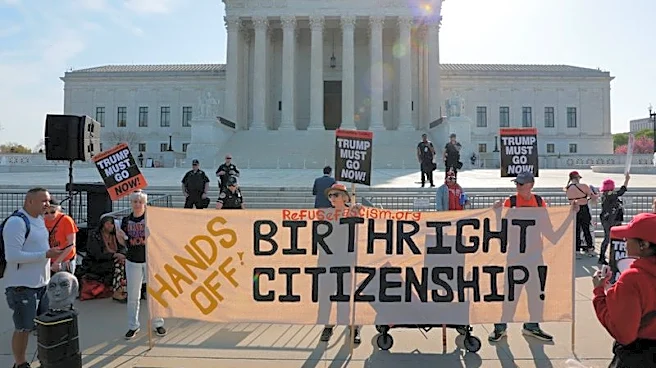
Recent Gallup polling indicates a decline in the U.S. as a preferred destination for migrants, with only 15% of adults worldwide expressing a desire to move to the U.S., down from 24% in 2007-2009. This trend coincides with stricter immigration policies
and increased border enforcement under President Trump's administration. The Biden administration's initial leniency on migration faced backlash, leading to a shift in policy. Despite the U.S. offering better economic prospects than many countries, the perception of harsh immigration enforcement has deterred potential migrants.
Why It's Important?
The decline in the U.S.'s attractiveness to migrants has significant implications for the country's economy and global standing. Migrants contribute to economic growth and cultural diversity, and their reduced numbers could impact labor markets and GDP growth. The perception of the U.S. as unwelcoming may also affect international relations and the country's image as a land of opportunity. Balancing border security with humane immigration policies is crucial for maintaining the U.S.'s economic vitality and moral leadership on the global stage.
What's Next?
The U.S. may need to reassess its immigration policies to attract skilled migrants and maintain economic growth. Public opinion on immigration enforcement could influence future policy decisions, with potential shifts towards more balanced approaches. The global decline in migration interest suggests broader trends that may require international cooperation to address root causes such as economic disparities and political instability.