


What's Happening?
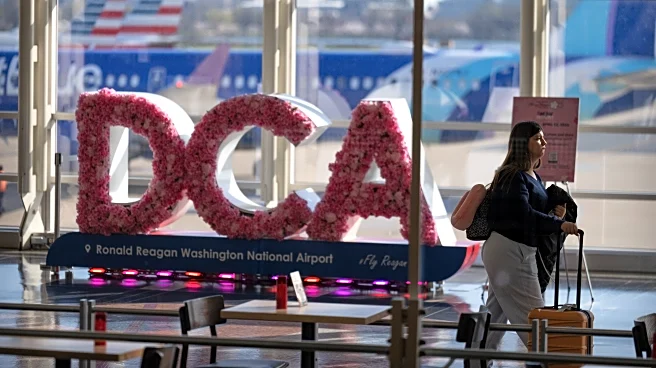
Airports in the Washington, D.C. area, including Ronald Reagan Washington National Airport, Washington Dulles International Airport, and Baltimore-Washington International Airport, temporarily halted flights due to a strong chemical smell at the Potomac
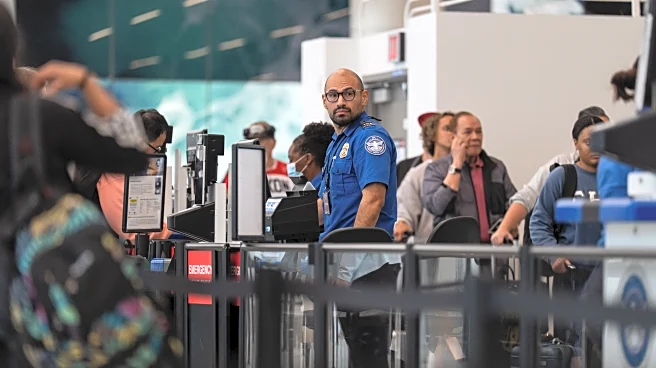
TRACON facility. The Federal Aviation Administration (FAA) reported that the odor led to the evacuation of the facility, which manages air traffic for the region. Flights were delayed or canceled, affecting travelers and causing ripple effects across the air travel system. The FAA has since lifted the ground stop, but residual delays are expected.
Why It's Important?
The incident highlights vulnerabilities in air traffic control infrastructure and the potential for significant disruptions in air travel. Such events can lead to economic losses for airlines and inconvenience for passengers, impacting travel plans and business operations. The repeated occurrence of chemical odors at the facility raises concerns about safety and maintenance protocols, necessitating a review of procedures to prevent future incidents. The situation underscores the importance of robust emergency response systems and effective communication between federal agencies and airlines to minimize disruptions.
What's Next?
Authorities are likely to investigate the cause of the chemical smell and implement measures to prevent recurrence. Airlines and passengers may face continued delays as operations normalize. The FAA and other stakeholders may review safety protocols and infrastructure maintenance to ensure the reliability of air traffic control facilities. Travelers are advised to check flight statuses and prepare for potential delays. The incident may prompt discussions on improving air traffic management and emergency response strategies.