



What's Happening?
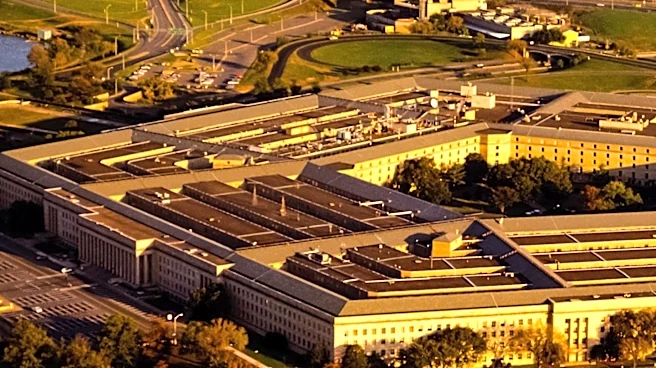
The Pentagon has fired Erik Slavin, the editor-in-chief of the U.S. military newspaper Stars and Stripes, along with its longtime publisher Max Lederer, and Middle East reporter Lara Korte. Slavin stated he was terminated for insubordination after publicly
defending the paper's editorial independence in a CBS interview, where he declared that censorship of news for service members would be a 'red line.' Korte also confirmed her dismissal, attributing it to her assertion that she works for Stars and Stripes, not the Pentagon or any administration. Lederer, who had previously announced his retirement, indicated that his vision for the paper differed fundamentally from the Pentagon's new direction. These firings follow a series of changes at the publication, including the termination of its ombudsman in April and a Pentagon-outlined overhaul in March that aimed to refocus content and restrict the use of some news wire services.
Why It's Important?
The firings at Stars and Stripes raise significant concerns about press freedom and editorial independence within a publication historically dedicated to providing independent news to U.S. service members. The newspaper, while funded by the Pentagon, has traditionally operated with editorial autonomy, a principle that its former leaders were reportedly defending. This move could be perceived as an attempt by the Pentagon to exert greater control over the narrative presented to military personnel, potentially impacting the quality and impartiality of information available to them. Critics argue that such actions undermine the trust service members place in their news sources and could lead to a more controlled information environment, which civil rights advocates fear will curtail the freedom of the press under the current administration. The Society of Professional Journalists emphasized that Stars and Stripes cannot fulfill its mission if its journalists fear retaliation for independent reporting.
What's Next?
The dismissed individuals, including Slavin and Korte, have been granted five days to appeal their terminations. The Pentagon has not yet provided a detailed public explanation for the firings beyond the general reference to insubordination. The newly installed military deputy to the publisher, Navy Captain William Urban, has published an open letter outlining a vision for 'modernization' and increased impact for service members, while also emphasizing maintaining professional journalism and editorial independence. However, press freedom advocates and some lawmakers, including three Democratic senators, have called for answers regarding the 'degradation' of the newspaper's independence. Further scrutiny and potential congressional inquiries into the Pentagon's actions and the future editorial direction of Stars and Stripes are likely.
Beyond the Headlines
The controversy surrounding Stars and Stripes extends beyond individual firings, touching upon fundamental questions about the role of a free press within the military and its relationship with government oversight. The Pentagon's stated goal of 'refocusing' content away from 'woke distractions' and towards 'warfighting, weapons systems, fitness, lethality, survivability, and ALL THINGS MILITARY' suggests a shift towards a more narrowly defined mission. This could lead to a more sanitized and less critical portrayal of military life and operations, potentially depriving service members of diverse perspectives and independent reporting on issues that directly affect them. The long-term implications could include a chilling effect on military journalism, where reporters may self-censor to avoid perceived insubordination, ultimately impacting transparency and accountability within the U.S. armed forces.