







What's Happening?
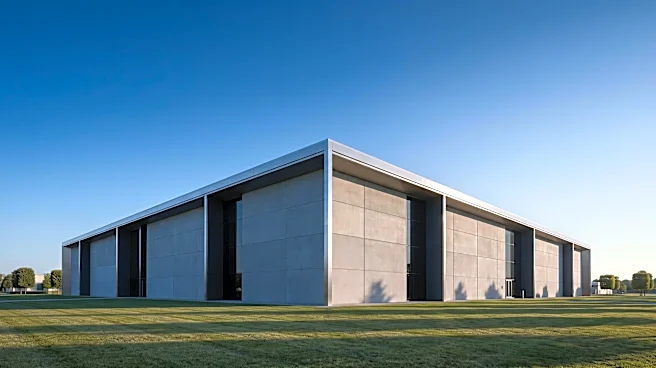
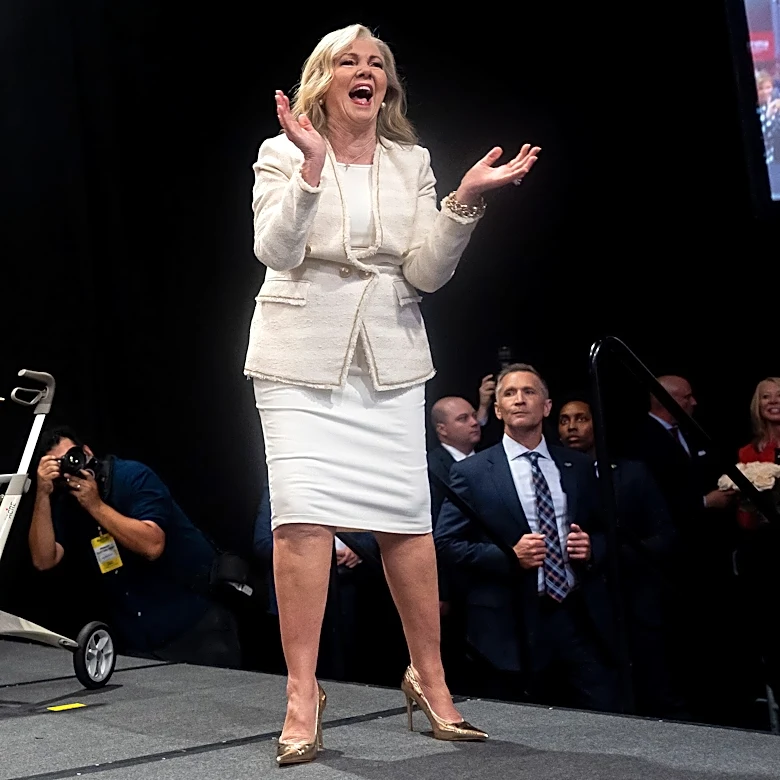
U.S. Representative Debbie Dingell (D-Mich.) has requested a halt to the University of Michigan's proposed $1.25-billion high-performance computing facility in Ypsilanti Township. The facility is slated to be operated in conjunction with Los Alamos National
Laboratory. Dingell's call for a pause stems from a perceived lack of transparency, unresolved questions regarding the agreement between the university and the research lab, and unclear jurisdictional authority. Residents have also expressed strong opposition to the project, which they view as a data center, during a recent town hall meeting. This development occurs as other Michigan cities, including Warren and Dearborn, are implementing moratoriums on new data centers to establish zoning regulations, reflecting growing community concerns about the environmental and infrastructural impacts of such facilities.
Why It's Important?
This situation highlights a growing tension between technological advancement and local community concerns, particularly regarding large-scale infrastructure projects like data centers. The University of Michigan's project, intended for high-performance computing, is being scrutinized for its potential environmental strain, noise pollution, and impact on property values, issues that have also been raised by residents in Lyon Township concerning a separate $1 billion data center proposal. The involvement of Los Alamos National Laboratory adds a layer of complexity, raising questions about federal-local collaboration and oversight. Furthermore, the broader context of an AI boom driving increased demand for data centers is leading to a surge in the production of PFAS 'forever chemicals' for cooling systems, posing significant health and environmental risks that could have long-term societal and economic consequences across the U.S. if not properly managed.
What's Next?
The immediate next steps involve the University of Michigan and Ypsilanti Township officials addressing the concerns raised by Representative Dingell, particularly regarding transparency and the specifics of the agreement with Los Alamos National Laboratory. It is likely that further public discussions and potentially revised proposals will be necessary to move forward. Meanwhile, the moratoriums enacted by Warren and Dearborn city councils indicate a trend towards stricter local regulation of data center developments, suggesting that other municipalities might follow suit. The ongoing review of the Lyon Township data center proposal by consultants and the developer's fifth revision also point to a more rigorous and prolonged approval process for such projects in Michigan. The debate over data center tax breaks in Michigan, with state officials citing secrecy requirements, suggests that legislative action or legal challenges may arise to clarify disclosure policies.
Beyond the Headlines
Beyond the immediate concerns, this issue touches upon the broader ethical and environmental implications of the artificial intelligence era. The rapid expansion of AI-driven data centers is creating a significant demand for resources, including energy and specialized cooling chemicals like PFAS. The warning from the chemicals watchdog group ChemSec about a 'tidal wave' of PFAS production underscores a potential long-term environmental and public health crisis, as these chemicals do not degrade and are linked to serious health issues. This raises critical questions about the sustainability of current AI development trajectories and the need for innovative, environmentally responsible solutions for data center operations. The public's strong opposition, as indicated by a poll showing nearly two-thirds of Michigan voters against data center construction, suggests a growing public awareness and demand for greater accountability and environmental stewardship from both corporations and governmental bodies in the face of rapid technological expansion.