
What's Happening?
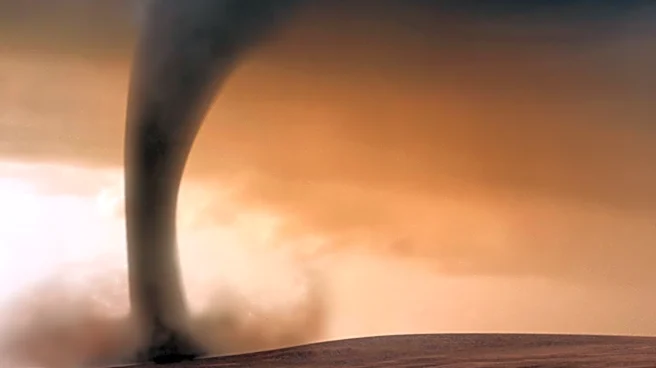
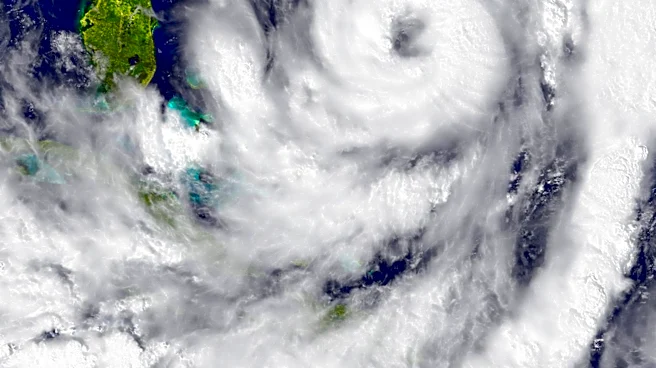
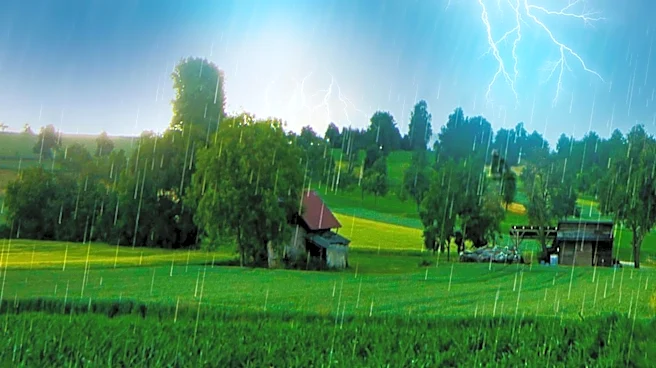
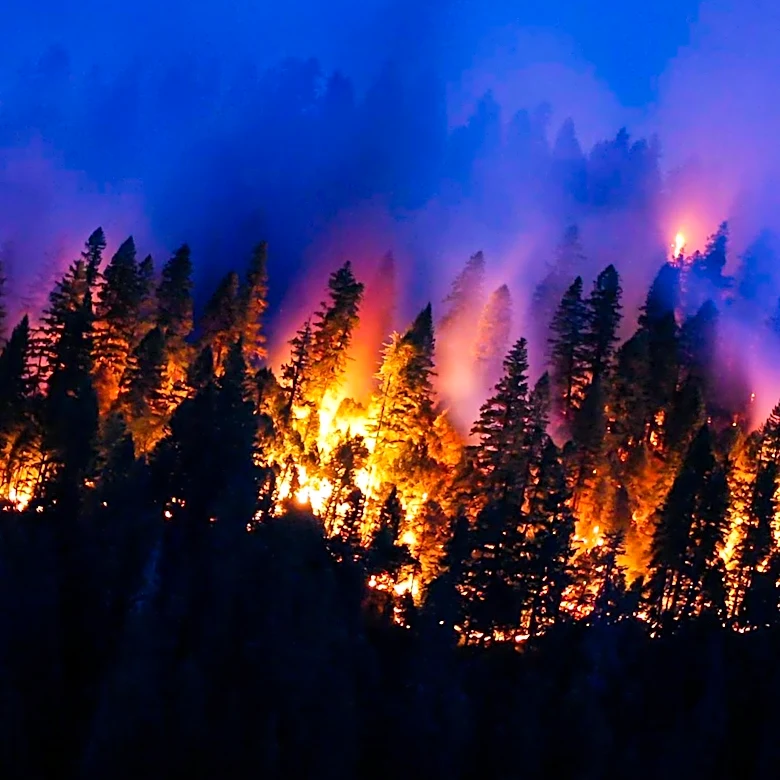
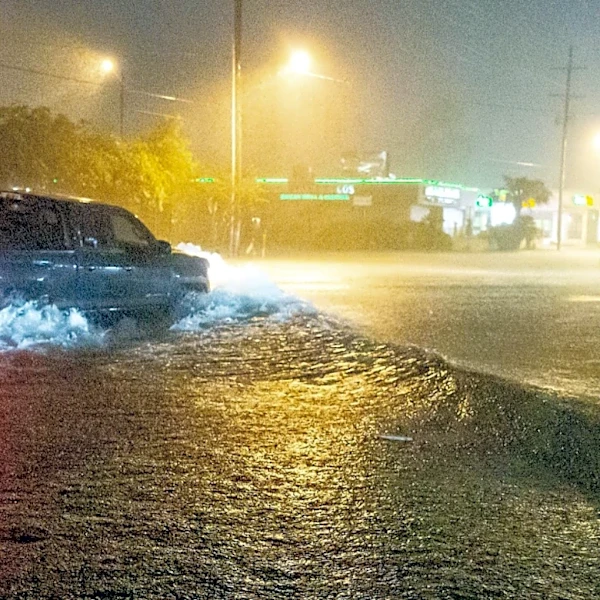
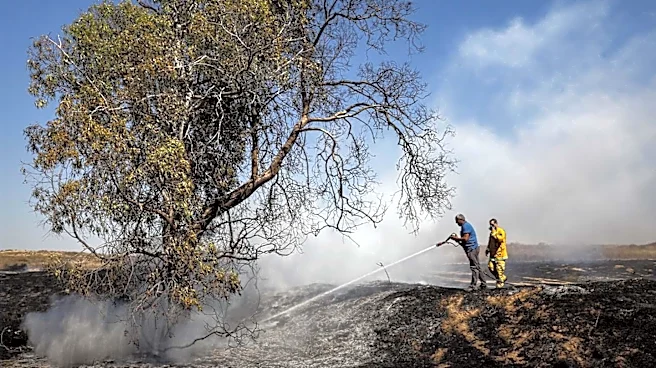
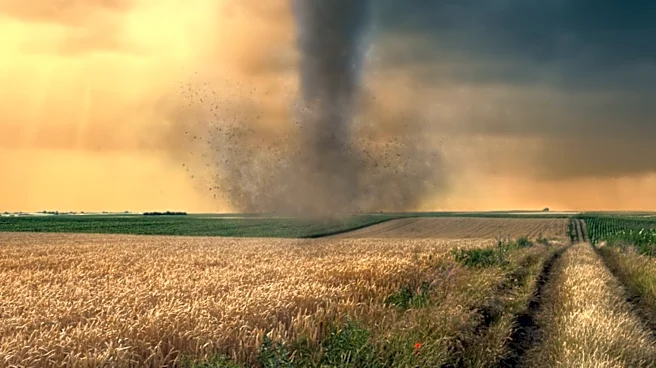
New research indicates that tornadoes, hail, and powerful winds linked to climate change now pose a greater threat to homeowners than hurricanes and other forms of extreme weather. In 2025, insurance payouts from severe convective storms (SCS) surpassed
those from cyclones, making them the costliest insured natural disasters globally. The U.S. is particularly affected, with significant financial losses due to the concentration of insured properties.
Why It's Important?
The shift in weather risk priorities for homeowners has significant implications for the insurance industry and property owners. As severe convective storms become more frequent, insurance companies may adjust their risk assessments and pricing models, potentially leading to higher premiums for homeowners. This trend also highlights the need for improved building codes and infrastructure resilience to withstand such weather events, as well as increased awareness and preparedness among property owners.
What's Next?
As severe convective storms continue to pose a growing threat, the insurance industry may need to innovate and develop new products to address the changing risk landscape. Homeowners may also need to invest in protective measures and consider the implications of climate change on property values and insurance costs. Policymakers and urban planners could play a role in promoting resilient infrastructure and community preparedness to mitigate the impact of these storms.
Beyond the Headlines
The increasing prevalence of severe convective storms raises broader questions about climate change adaptation and the role of insurance in managing climate-related risks. It underscores the importance of integrating climate considerations into urban planning and development, as well as the potential for public-private partnerships to enhance community resilience.