
What's Happening?
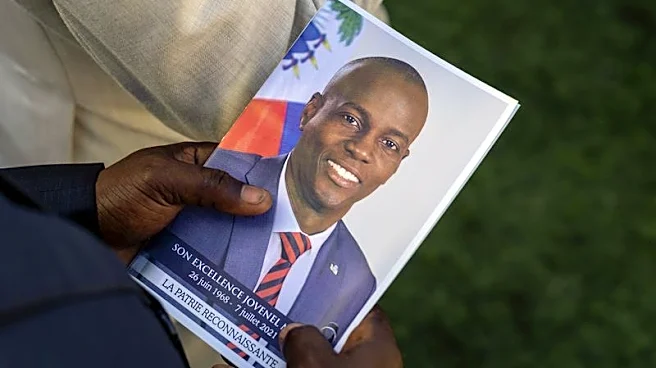
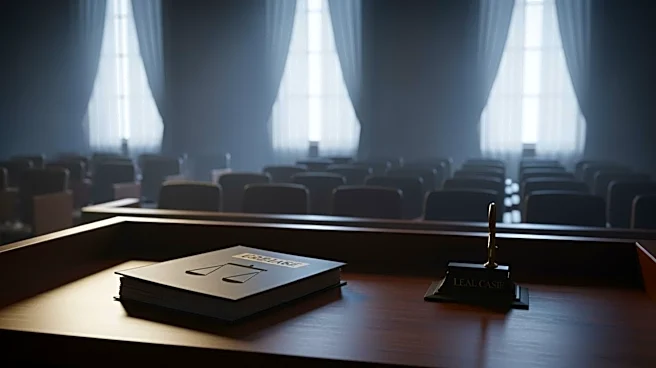
A Florida jury has convicted four men of conspiracy related to the 2021 assassination of Haitian President Jovenel Moïse. The individuals, Arcangel Pretel Ortiz, Antonio Intriago, Walter Veintemilla, and
James Solages, were found guilty of plotting to kill or kidnap Moïse and providing material support for the plan. They were also convicted of violating the U.S. Neutrality Act and could face life sentences. The plot was allegedly orchestrated from South Florida, where the conspirators planned to replace Moïse with a leader of their choosing. Moïse was killed on July 7, 2021, by a group of foreign mercenaries, primarily from Colombia, who attacked his residence near Port-au-Prince. His wife, Martine Moïse, was injured in the attack and later testified in the trial. The conspirators were linked to companies based in South Florida, and the trial revealed that they had hoped to benefit from a new government in Haiti.
Why It's Important?
The conviction of these individuals highlights the international dimensions of political violence and the role of foreign actors in destabilizing nations. The assassination of President Moïse plunged Haiti into further chaos, exacerbating existing political instability and gang violence. This case underscores the challenges of international law enforcement and the complexities of prosecuting crimes that cross national borders. The trial also brings attention to the U.S. Neutrality Act, which prohibits American citizens from engaging in military actions against nations with which the U.S. is at peace. The outcome of this trial may influence future U.S. policy and legal actions regarding international conspiracies and political assassinations.
What's Next?
The convicted individuals face potential life sentences, and their sentencing will be closely watched. Meanwhile, Christian Sanon, another key figure in the conspiracy, is set to face trial at a later date. In Haiti, the investigation into the assassination continues, although it has been hampered by gang violence and a weakened judicial system. The international community, including the U.S., may increase efforts to support stability and justice in Haiti. The case may also prompt discussions on how to better prevent and respond to international political conspiracies.