


What's Happening?
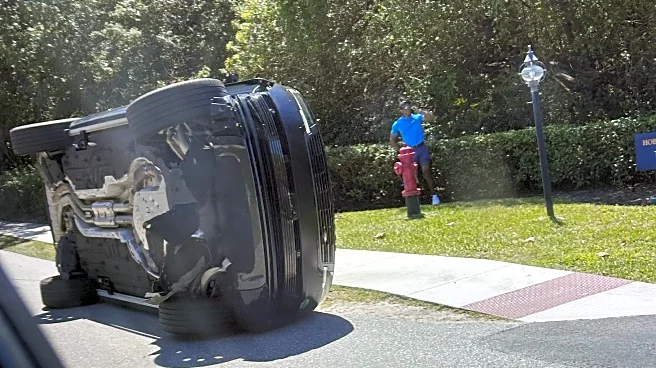
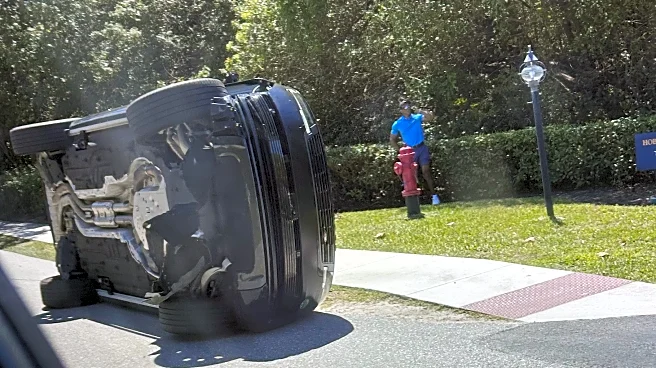
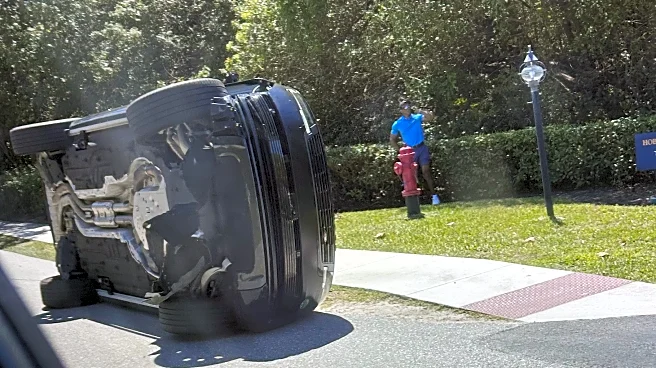
Tiger Woods recently refused a urine test following a DUI arrest, which could result in jail time due to a new Florida law. The law, known as 'Trenton's Law,' imposes stricter penalties for refusing sobriety tests, including potential jail time and license
suspension. Woods' refusal has brought attention to the implications of this law, which aims to address challenges in prosecuting DUI cases.
Why It's Important?
This development highlights the legal complexities surrounding DUI cases and the impact of new legislation on high-profile individuals. The law's stricter penalties could deter refusals, aiding law enforcement in gathering evidence. However, it also raises questions about the balance between individual rights and public safety. Woods' case may influence public perception and future legal proceedings involving DUI charges.
What's Next?
As Woods' case progresses, legal experts anticipate challenges in proving impairment without chemical evidence. The outcome could set a legal precedent, affecting how similar cases are handled. Public and legal scrutiny will likely continue, with potential implications for Woods' career and public image.