






What's Happening?
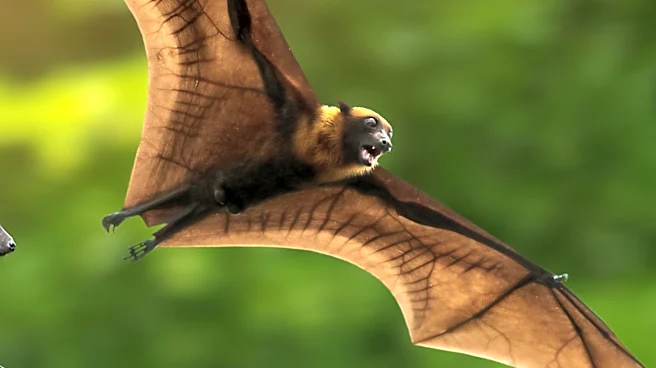
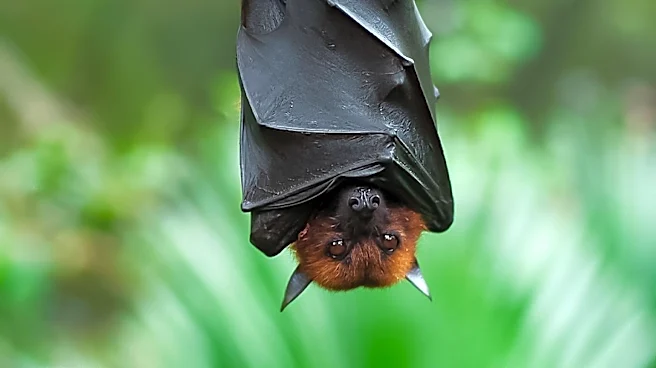
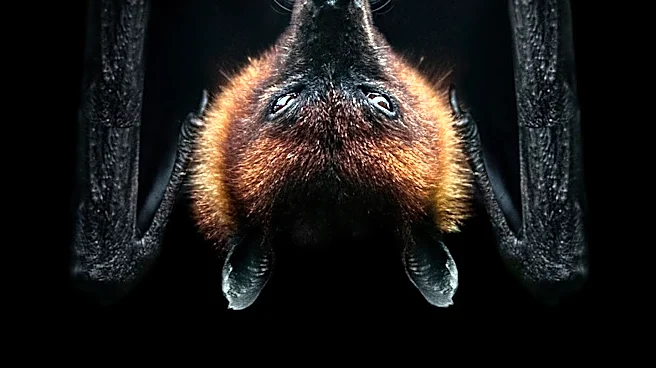
San Diego County public health officials are actively seeking individuals who may have come into contact with a rabid bat discovered at a restaurant in Vista, California. The incident occurred when the bat landed on a table at the Yellow Deli Restaurant
while a family was dining. A fellow diner used a towel to capture the bat and subsequently delivered it to the San Diego Humane Society in Oceanside. The bat was then transferred to the County's Public Health Lab, where it tested positive for rabies. This bat marks the 22nd rabid bat identified in San Diego County this year, compared to 21 cases in 2025. Although no direct skin contact with the bat has been reported, health officials emphasize that only those who touched or held the bat are at risk of rabies exposure. Rabies is a serious disease that is almost always fatal once symptoms appear, but post-exposure treatment is highly effective if administered before symptoms begin.
Why It's Important?
The discovery of a rabid bat in a public setting underscores the ongoing public health challenge posed by rabies, particularly in areas where bats are common. While human cases of rabies are rare in California, the presence of rabid bats increases the risk of exposure, necessitating vigilance and prompt medical intervention. The incident highlights the importance of public awareness and education regarding wildlife interactions and the need for immediate medical consultation following potential exposure. The situation also reflects broader public health efforts to monitor and control rabies, a disease that, despite its rarity in humans, poses significant health risks. The proactive response by health officials aims to prevent any potential human cases and underscores the critical role of public health infrastructure in managing zoonotic diseases.
What's Next?
Health officials are urging anyone who may have had direct contact with the bat to seek medical advice immediately. The focus will be on identifying and treating any individuals who might have been exposed to prevent the onset of rabies symptoms. Public health campaigns may be intensified to educate the community about the risks associated with wildlife and the importance of avoiding contact with bats. Additionally, ongoing surveillance and testing of wildlife will continue to monitor the prevalence of rabies in the region. The incident may also prompt discussions on enhancing public health strategies to manage and mitigate the risks of rabies and other zoonotic diseases.