







What's Happening?
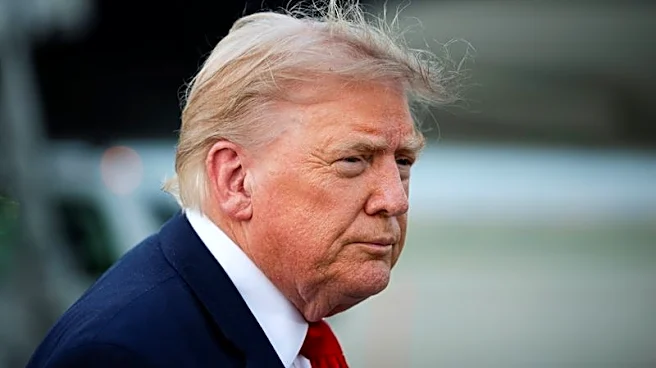
Chris Fall, the head of the Artificial Intelligence Safety Institute (CAISI) under the Trump administration, has resigned after only three months in the position. This resignation is part of a series of leadership changes within CAISI, a body responsible
for regulating and standardizing AI technologies. Fall's predecessor, Collin Burns, was removed after just a week, reportedly due to conflicts between the Trump administration and his previous employer, Anthropic. Earlier, David Sacks, a White House official for AI and cryptocurrencies, also left his post. CAISI, operating under the National Institute of Standards and Technology (NIST), is tasked with developing AI standards and assessing cybersecurity risks. However, its influence appears to be waning, as it was not included in the new cybersecurity program signed by the White House. Additionally, an export control dispute involving the US Department of Commerce and Anthropic has further complicated the situation.
Why It's Important?
The turnover in AI leadership within the Trump administration could have significant implications for the U.S.'s position in the global technological race. CAISI's instability may hinder the development and implementation of effective AI standards and cybersecurity measures, potentially affecting the U.S.'s ability to compete with countries like China, which is advancing its AI capabilities. The resignation of key figures like Chris Fall and the exclusion of CAISI from major cybersecurity initiatives suggest a lack of cohesive strategy in managing AI technologies. This could lead to vulnerabilities in national security and economic competitiveness, as AI becomes increasingly integral to various sectors. The situation also highlights the challenges of balancing government oversight with industry innovation, as seen in the export control dispute with Anthropic.
What's Next?
The Trump administration is considering a ban on Chinese open-weight AI models, which could impact international trade relations and technological collaboration. The call for an independent, industry-led body to regulate AI, as suggested by Google DeepMind CEO Demis Hassabis, may gain traction as a solution to the current regulatory challenges. The U.S. Department of Commerce and NIST's silence on CAISI's activities raises questions about transparency and accountability in AI governance. The administration's next steps will likely focus on stabilizing leadership within CAISI and addressing the broader implications of AI regulation on national security and economic policy.
Beyond the Headlines
The leadership changes within CAISI reflect broader tensions between government oversight and private sector innovation in AI. The Trump administration's approach to AI regulation may set precedents for how emerging technologies are governed in the future. Ethical considerations, such as the potential for AI to exacerbate existing inequalities or be used in surveillance, are critical issues that need to be addressed. The U.S.'s ability to maintain its technological edge will depend on its capacity to navigate these complex challenges while fostering innovation and ensuring security.