





What's Happening?
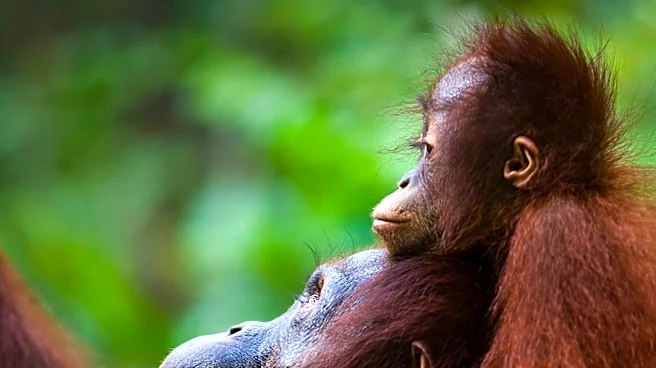
The wildlife wing of the forest department has established a five-member technical committee to evaluate the health and needs of five orangutans recently rescued in the Balasore forest division. These orangutans are currently housed at the Nandankanan
Zoological Park. The committee is authorized to consult and include other national and international experts as needed. Its primary objective is to provide technical input for the animals' upkeep and address their welfare concerns. The committee's members include a veterinary official from Chamarajendra Zoological Gardens, Mysore; a representative from the director of the Wildlife Institute of India; the project coordinator of the center for wildlife health, OUAT; a veterinary official nominated by the director of the National Zoological Park, New Delhi; and the director of Nandankanan, who will serve as the member-convener. The committee has an initial tenure of six months, with the possibility of extension.
Why It's Important?
This initiative highlights a significant effort in wildlife conservation and animal welfare within the region. The formation of a specialized technical committee underscores the complexity and importance of caring for rescued endangered species like orangutans. Their successful rehabilitation and long-term well-being are crucial for biodiversity preservation and combating illegal wildlife trade. The involvement of experts from various institutions, both national and potentially international, suggests a comprehensive approach to ensuring the best possible care for these animals. This action also brings attention to the ongoing challenges of wildlife trafficking and the need for robust rescue and rehabilitation programs. The outcome of this committee's work could set a precedent for future wildlife rescue operations and the management of endangered species in captivity, influencing policies and practices related to animal welfare and conservation.
What's Next?
The technical committee will immediately begin its work of assessing the health and needs of the five rescued orangutans. Over the next six months, the committee will provide ongoing technical input for their care and welfare. It is expected that they will develop a detailed plan for the orangutans' long-term well-being, which may include specialized diets, medical treatments, and environmental enrichment programs. The committee's findings and recommendations could lead to adjustments in the current care protocols at Nandankanan Zoological Park. Depending on the initial assessment and progress, the committee's tenure may be extended to ensure continuous oversight and adaptation of care strategies. Future actions might also involve investigations into the source of the illegal trade that led to the orangutans' rescue, potentially leading to broader enforcement efforts against wildlife trafficking.
Beyond the Headlines
The rescue of these orangutans and the subsequent formation of this expert panel shed light on the broader issue of illegal wildlife trade, which remains a significant threat to global biodiversity. Orangutans, native to Indonesia and Malaysia, are critically endangered, primarily due to habitat loss and poaching. The fact that these animals were rescued in the Balasore forest division suggests a potential transit point or destination within the illegal trade network. This incident underscores the ethical responsibility of human societies to protect endangered species and the complex challenges involved in their rehabilitation. The long-term success of this initiative will depend not only on the immediate care provided but also on sustained efforts to combat wildlife crime and raise public awareness about conservation. It also highlights the role of zoological parks in providing sanctuary and expert care for rescued animals, contributing to conservation efforts beyond their traditional roles.