







What's Happening?
New Jersey is experiencing a severe heat wave that has resulted in 19 deaths, according to state health officials. The fatalities have primarily occurred in central and northern parts of the state. Dr. Raynard Washington, the state's health commissioner,
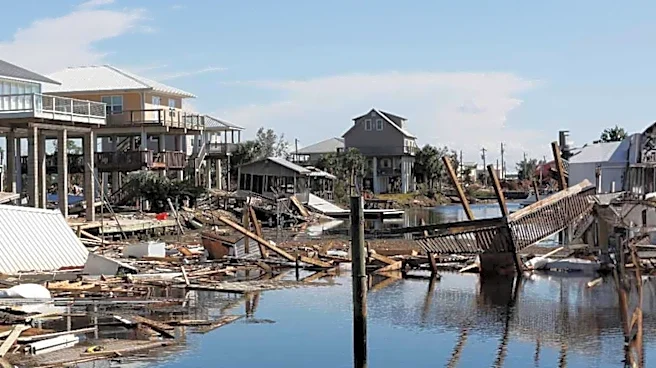
noted that the deaths began to be reported as early as Thursday of the first week of July. Many of the deceased were found in homes without air conditioning, while others were discovered outside or in parked cars. The heat wave has also been accompanied by severe storms, which have caused power outages and disrupted public transportation.
Why It's Important?
The heat wave in New Jersey highlights the vulnerability of certain populations, particularly those without access to air conditioning or adequate shelter. The situation underscores the need for public health interventions and infrastructure improvements to protect residents during extreme weather events. The fatalities also draw attention to the broader impacts of climate change, which is expected to increase the frequency and intensity of such heat waves. The state's response to this crisis could serve as a model for other regions facing similar challenges.
What's Next?
State officials may need to implement emergency measures to provide relief to affected residents, such as opening cooling centers and distributing resources to those in need. There may also be calls for policy changes to improve housing conditions and ensure access to air conditioning for vulnerable populations. Additionally, the state could face pressure to enhance its infrastructure to better withstand severe weather events, including upgrading power grids and public transportation systems.