







What's Happening?
President Samia Suluhu Hassan of Tanzania has announced plans to establish a Reconciliation Commission, a move that has sparked significant debate among political and governance stakeholders. The announcement was made during a meeting with leaders of 18
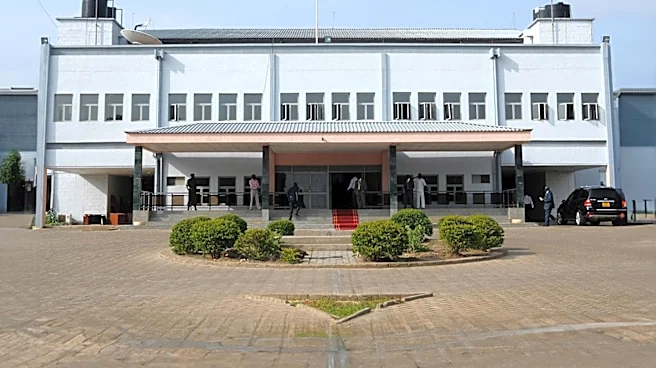
political parties at the State House in Dar es Salaam. The commission aims to build consensus towards a new constitution and strengthen national unity. President Hassan emphasized the importance of collective responsibility in democracy and the need for all political parties to participate in the reconciliation process. The meeting also addressed issues such as political reforms, economic development, and social services. Stakeholders have expressed that the success of the commission will depend on the commitment of leaders, political will, and the inclusion of all relevant parties.
Why It's Important?
The establishment of a Reconciliation Commission in Tanzania is significant as it could pave the way for a new constitution, which has been a longstanding demand among politicians and citizens. The move is seen as a step towards addressing political disputes and fostering national unity. The commission's success could lead to political stability, which is crucial for economic development and social progress. However, the process requires genuine commitment from all parties involved, including the opposition and the ruling party. The initiative also highlights the importance of addressing the root causes of political conflicts to achieve lasting reconciliation. The outcome of this process could have implications for governance and democracy in Tanzania, potentially influencing political dynamics in the region.
What's Next?
President Hassan has indicated that she will meet with political party leaders three times to discuss the country's development. The government is preparing to establish the reconciliation commission to accelerate the process towards a new constitution. The commission's formation and its subsequent actions will be closely watched by political analysts and stakeholders. The success of the reconciliation efforts will depend on the willingness of all parties to engage in dialogue and address underlying issues. The process may also involve legal procedures and amendments to the Zanzibar Constitution. The political reform debate has revived calls for the resumption of the new constitution process and the implementation of recommendations from previous government-formed commissions.
Beyond the Headlines
The reconciliation process in Tanzania could have deeper implications for the country's political landscape. It highlights the challenges of achieving consensus in a diverse political environment and the need for inclusive governance. The initiative also underscores the role of political dialogue in resolving conflicts and promoting stability. The process may set a precedent for other countries in the region facing similar challenges. Additionally, the focus on a new constitution reflects broader aspirations for democratic reforms and the protection of citizens' rights. The reconciliation efforts could lead to long-term shifts in Tanzania's political and legal systems, influencing future governance and policy-making.