



What's Happening?
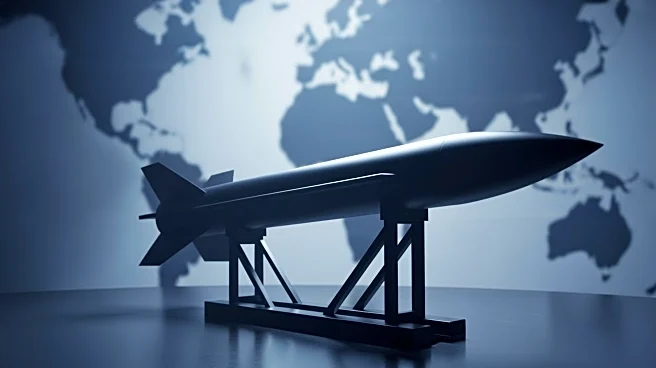
Russia has deployed the Oreshnik ballistic missile in a massive strike on Ukraine, marking only the second use of this weapon. The attack resulted in four deaths and 25 injuries in Kyiv, with significant damage to infrastructure in Lviv, near the Polish
border. Russia claims the strike was in response to a supposed Ukrainian drone attack on President Putin's residence, a claim Kyiv denies. The Oreshnik missile, capable of reaching up to 5,500 kilometers, poses a significant threat due to its potential nuclear capability. The strike has been condemned by Ukrainian and EU officials as a grave threat to European security.
Why It's Important?
The use of the Oreshnik missile near NATO's borders represents a significant escalation in the conflict, challenging European security and testing the transatlantic alliance's response. The missile's potential nuclear capability raises concerns about miscalculation and the risk of broader conflict. This development highlights the ongoing tensions between Russia and the West, particularly in light of recent U.S. actions against Venezuela, a Russian ally. The situation underscores the fragile state of international relations and the potential for further military engagements, impacting global stability and security.
What's Next?
The international community, particularly NATO and the EU, may face increased pressure to respond to Russia's aggressive actions. Potential responses could include heightened military readiness, increased support for Ukraine, and further sanctions against Russia. The situation may also influence diplomatic efforts to resolve the conflict, with stakeholders reassessing their strategies in light of Russia's demonstrated military capabilities. The ongoing conflict and its escalation could lead to further instability in the region, affecting global economic and political dynamics.