




What's Happening?
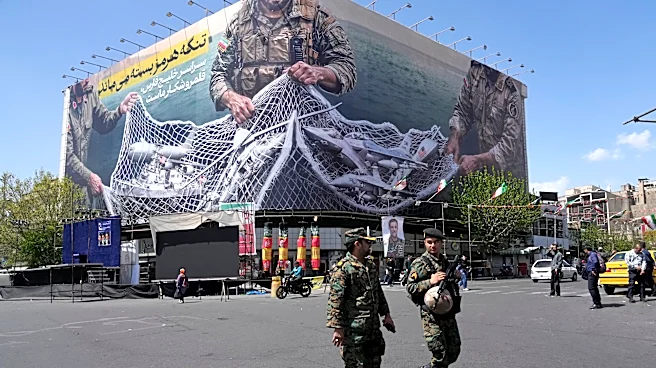
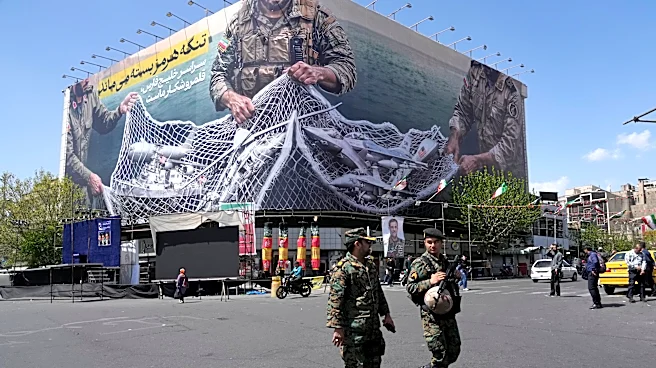
A fragile ceasefire has paused the fighting between the United States and Iran, but it has not resolved the issues that drove the war in the first place. The deal has quieted one front, yet the most volatile questions remain open: the status of Iran’s
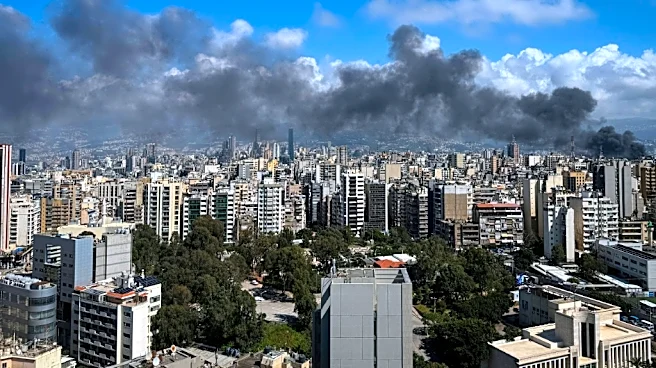
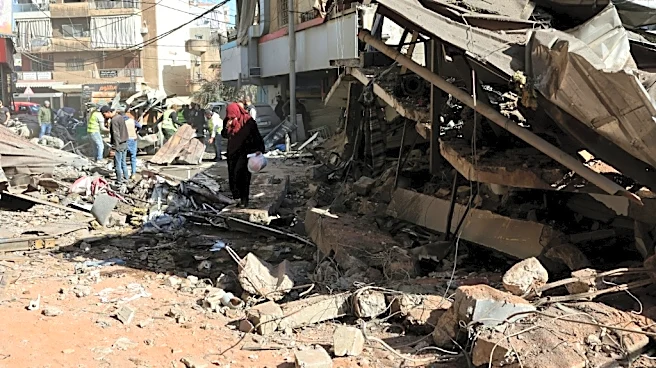
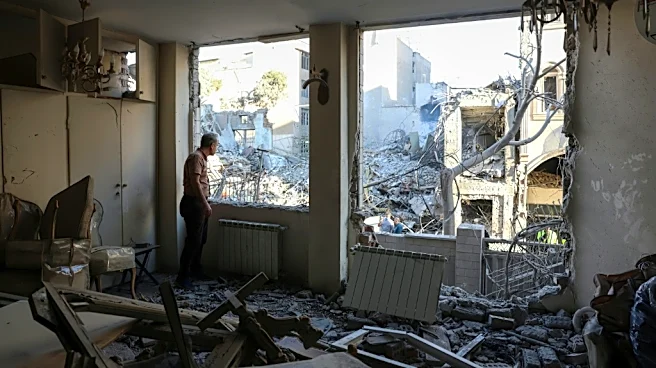
enriched uranium, the future of the Strait of Hormuz, and Israel’s continuing campaign in Lebanon. Raphael BenLevi of the Misgav Institute for National Security and Zionist Strategy noted that while the military phase degraded Iran’s threat capabilities, significant issues remain unresolved. The ceasefire is not a retreat from pressure but a redistribution of it, with negotiations beginning under the shadow of possible renewed force. Israel continues operations against Hezbollah in Lebanon, complicating the ceasefire's stability.
Why It's Important?
The ceasefire highlights the complex geopolitical dynamics involving the US, Iran, and Israel. The unresolved issues, particularly Iran's enriched uranium and the Strait of Hormuz, have significant implications for global security and energy markets. The US and Israel's differing perspectives on the conflict's resolution could lead to tensions, affecting diplomatic relations and regional stability. The ongoing Israeli operations in Lebanon underscore the fragile nature of the ceasefire and the potential for renewed conflict, which could further destabilize the region and impact global oil prices.
What's Next?
Israel is expected to move toward direct talks with Lebanon, focusing on dismantling Hezbollah’s military capabilities. This negotiation process could limit Israel's military operations in Lebanon. The US will likely continue to pressure Iran to reopen the Strait of Hormuz, a critical channel for global oil supply. The outcome of these negotiations will be crucial in determining the future stability of the region and the potential for a lasting peace agreement.